

Rob Outdoor – Precision Fly Fishing in New Zealand’s Backcountry
With: rob_outdoor
Some fisheries expose gaps in your game immediately. New Zealand does it without apology. Long leaders, shallow light, fish that have seen everything — and terrain that demands both physical commitment and technical control. The anglers who return from that environment sharper didn’t stumble into success. They earned it step by step, often miles from the nearest road, adjusting approach, refining presentation, and accepting that opportunities are never guaranteed.
[Creator Name] represents a style of fly fishing built on persistence and self-reliance. Time spent navigating braided rivers, hiking deep into backcountry valleys, and adapting to increasingly pressured trout has shaped an angler who understands that consistency comes from preparation. From refining leader length to dialing in fly size and hook strength, every detail matters when fish inspect your work in water clear enough to reveal every mistake.
New Zealand’s technical fisheries reward restraint. Close-range presentations, minimal false casting, and precise fly placement become non-negotiable skills. Instead of overpowering the situation, success often comes from reducing movement, managing profile, and understanding how fish interpret disturbance along the bank. These lessons translate globally, sharpening instincts for any pressured trout water where educated fish demand deliberate execution.
Beyond technique, backcountry fishing in New Zealand also demands physical readiness and mental patience. Multi-day trips through remote terrain create conditions where the entire experience matters — not just the fish. Movement through wilderness, adapting to weather windows, and working water methodically reinforces a mindset centered on earning opportunities rather than expecting them.
That perspective has culminated in a detailed New Zealand fly fishing guide e-book designed to help anglers navigate increasingly complex access regulations and growing fishing pressure. With limited permit windows and heavily sought-after water, preparation has become as critical as presentation. The goal is simple: help serious anglers maximize time on the water without relying solely on guided access.
1. New Zealand has a way of humbling even experienced anglers. What was your first real lesson fishing NZ backcountry water — and how did it change the way you approach fly fishing overall?
My first lesson I was taught back in 2021. I was cycling around the world for almost 2 years and came to NZ the first time. I camped at a lovely spot at the middle Wairau River, where I went for a walk downstream a side stream into the Wairau. There was a fish rising. I attached a fly which looked most similar to the insects, the fish was feeding on. I hooked it on the first cast. It was a big trout moving into the Wairau and swimming upstream. I could follow until a fallen tree was in my way. In order to slow the fish down, I increased the pressure on my reel. It did not take long and the fish was off. The fly was still on, but its hook broke off.
That was the reason I started tying my flies on the strongest hooks I found, which was a difficult search, as I learned on this trip already, that smaller flies are catching more fish - at least, that was, what worked for me.
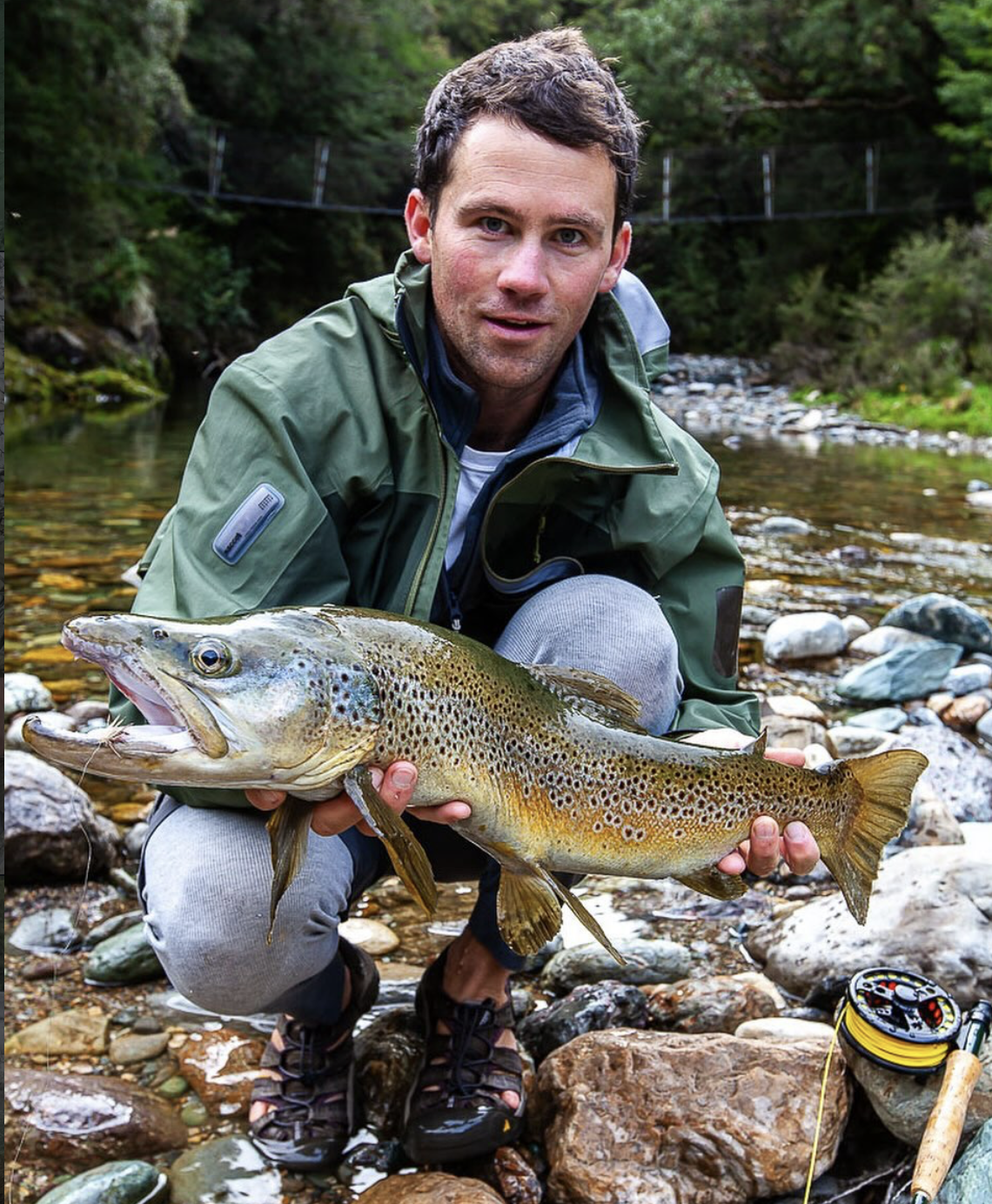
2. Sight fishing to large, wary trout in gin-clear rivers demands patience and restraint. How has stalking fish in New Zealand shaped your casting discipline and fly selection compared to other places you’ve fished?
To experience the worlds best sight fishing is something, I seriously started on my second trip to NZ, when I was traveling with a backpack, as I wanted to walk the lovely tracks, I did not do on my cycling trip some years before. I found out very quick that stalking has to be carried out as careful as possible, even back in these years, when fishing pressure was little. I am still not convinced, that you really need these camouflage clothes, as most of the time I was wearing an ordinary colored T-shirt. Deer are supposed to see black and white, which is one reason, hunters are wearing bright orange tops. Maybe it is similar with trout as well. Trout are recognizing movements along the shore. In my opinion, this is the bigger issue.
Casting was only an issue at the beginning in NZ, as fish are usually very close, which makes it necessary to load only the upper third of your fly rod for a short cast. I practiced casting a lot in younger years, and distance casting is fun. A shorter casting stroke is enough in NZ, it should be as effective as possible, meaning you only load your rod and the rod is casting the line. This is reducing the movement of your arm and body, which can be detected by fish. When I am very close to a fish, I only move my lower arm, a technique, derived from Scandinavian Style Spey or Double Hand casting. A very precise cast is way more important than long distance. You must not only do target practice, you also need to be able to cast a very long leader of up to 4,5 meter (my longest leaders in NZ) with only 2 or 3 meters of fly-line outside the fly rod, meaning, you have hardly any casting weight to load your rod. Whenever it is possible, I use the sidearm cast. This cast allows the line to fly very close to the water surface, where it is less likely to be seen by fish. I used to fish with bright colored and kind of camouflage colored lines. Fish see both lines, if casted to far, for me, there is no difference in line color. I always aim my flies at least one foot to short, never right in front of the fish. Wild fish see flies even behind them.
I figured out on my first trip to NZ, that smaller flies are fishing more successfully, except when it comes to fishing cicadas in the summer. With the help of a friend, who tied flies for my trips to NZ, I found out, that he tied a few flies for me, which are deadly. They are all tied with different materials than most other flies. I published these patterns in my new E-book, https://photos-and-travel.com/shop/
However, last fishing season, they did not work too good, due to overfishing.
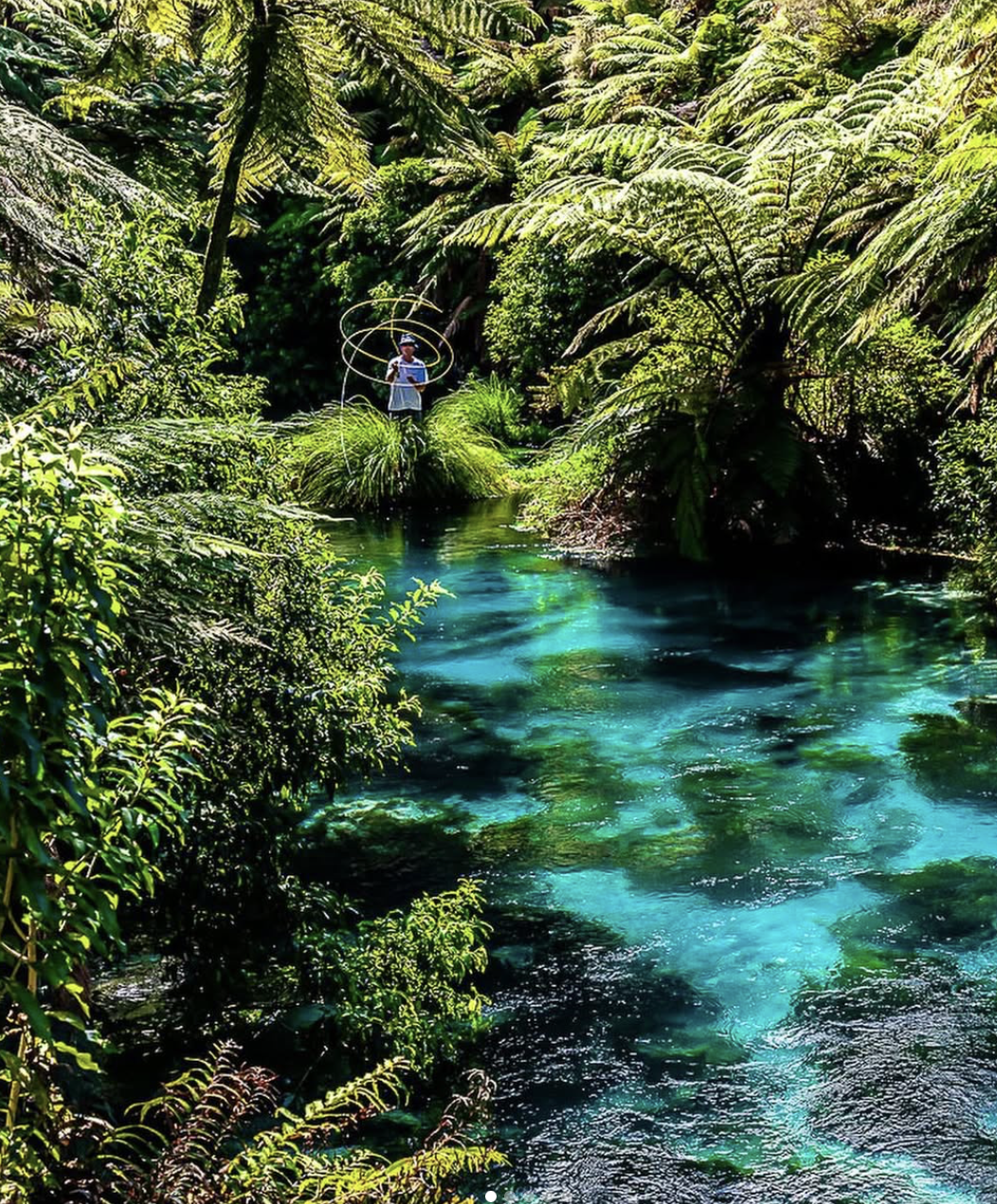
3. A lot of anglers dream about NZ, but few understand how physical and technical it really is. What does a “good day” look like for you down there — even if it doesn’t include a hero fish?
NZ is home to one of the most science nature and most beautiful wilderness all over. The Department of Conservation is doing an outstanding job, in maintaining probably the world’s best network of hiking trails and backcountry huts. These kind of infrastructure make outdoor life very easy, as traveling in NZ, which can be regarded as very easy.
However, you must be in good physical condition, as walking long distances is a must. You must or you should enjoy physical activity, in order to enjoy one day out at the water. Many fishermen walk at least 2 hours before they start fishing. Walking back the same day would mean, that you would miss the best fishing time late in the day. For this reason, overnight camping trips are the best and most beautiful fishing experiences out in the nature in NZ. I usually stay a couple of days fishing. I was practicing sport for all my life and love to carry out physical activity as well as camping or staying in backcountry huts.
If you hike the whole day, fish a few hours and catch no fish, you still have a wonderful day, as you are moving in one of the worlds most beautiful backyards. In recent years, fishing became more difficult in NZ, before that, it was difficult not to catch a fish.
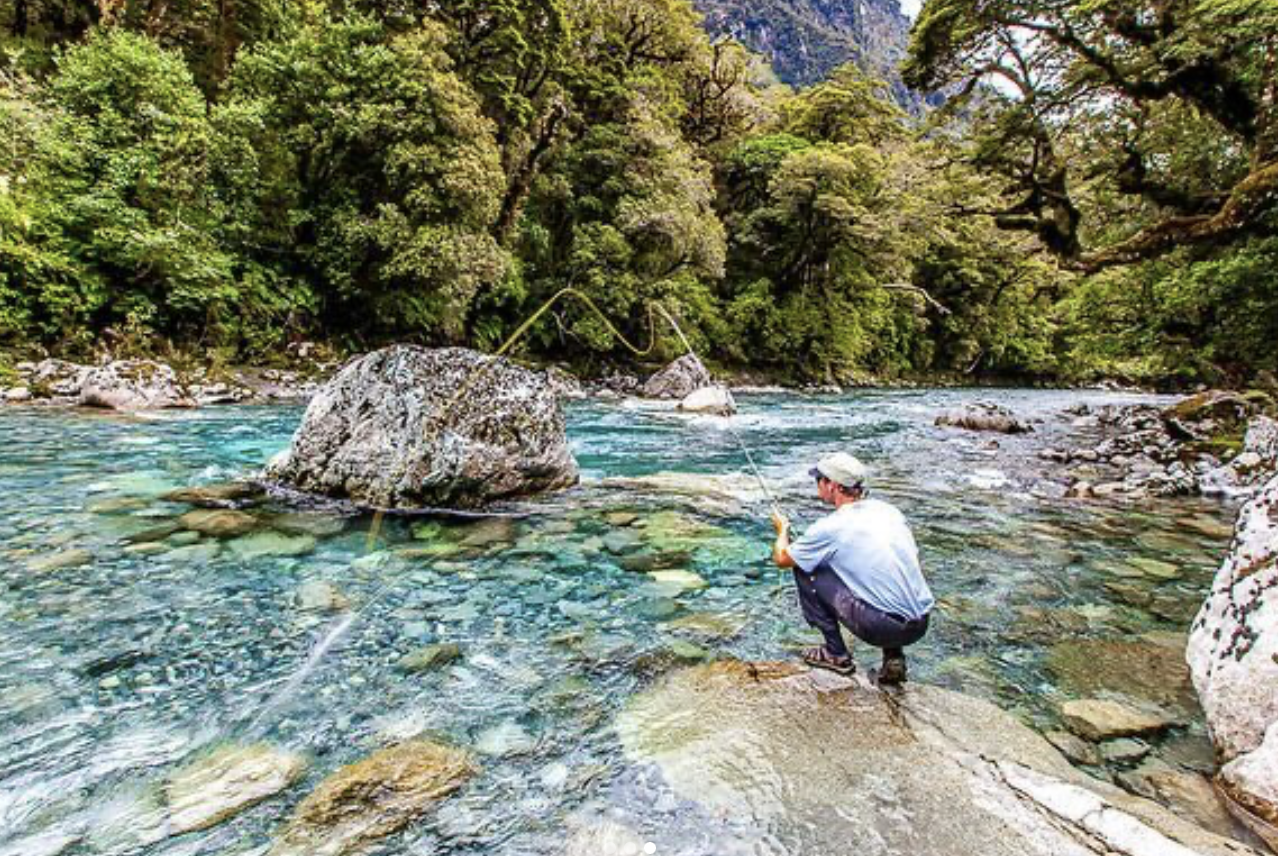
4. The terrain in New Zealand — long hikes, braided rivers, alpine valleys — feels like part of the story. How does the landscape influence the way you plan your days and move through water?
The scenery, the landscape and the nature are the main reason, why flyfishing in NZ is considered to be one of the best in the world. Indeed, fishing there would not even half as beautiful without these stunning surroundings. The landscape is not influencing my planning of trips, and it is not restricting any movements. The natural beauty of NZ is heavily enriching every trip. By using a tent you can overnight wherever you want.
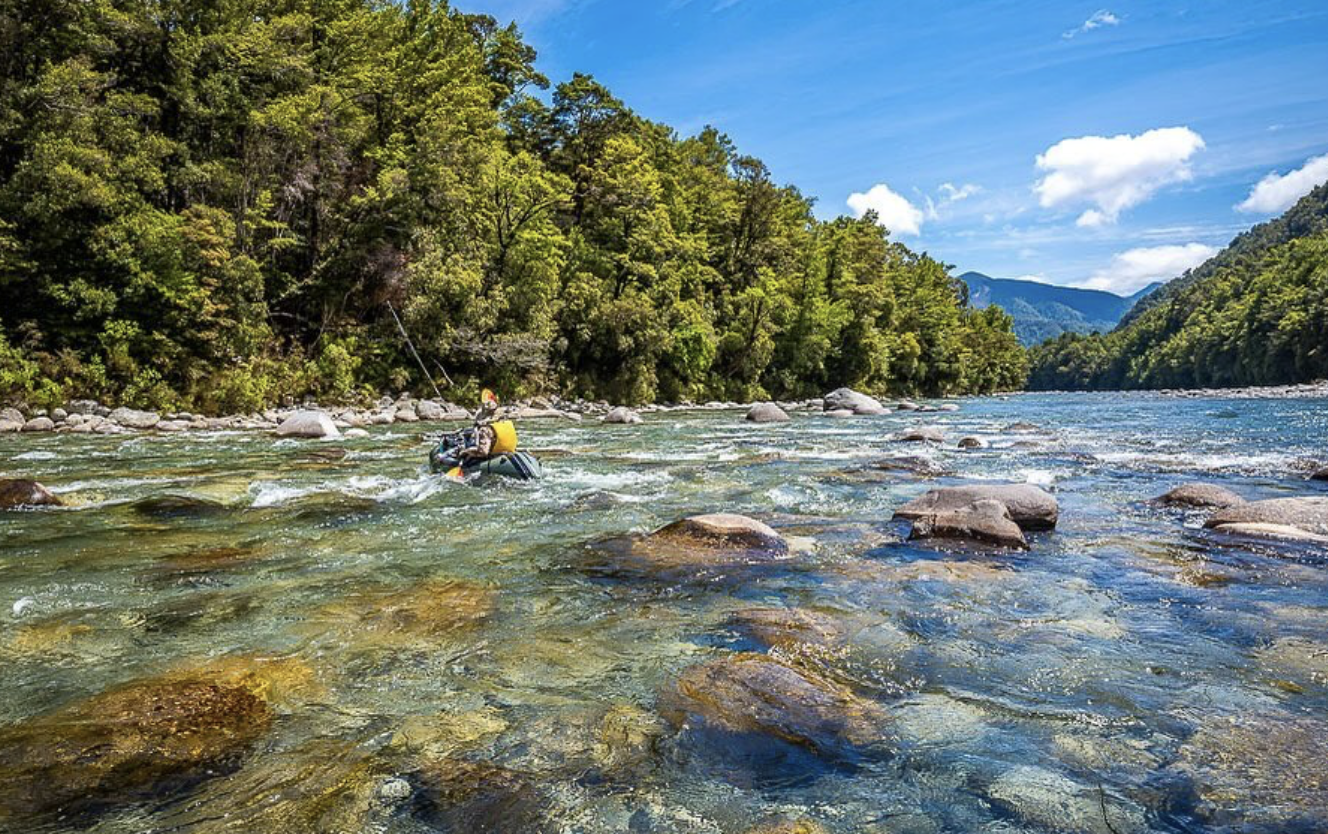
On many trips I used a Packraft in recent years for river crossings or moving through the wilderness. This little lightweight boat made me extremely flexible in order to approach fishing water.
The fabulous NZ top maps make navigation very easy. In any case, you should prepare a backcountry trip as good as possible.
5. When you think about your time fishing New Zealand, what has it taught you about ego, patience, and earning opportunities rather than forcing them?
Great moments are caused by great opportunities. Great opportunities must be earned, in many cases very hard. In NZ, you already must be patient before the start of the trip, waiting for good weather for instance. But successful fishing in NZ is a combination of being patient and forcing yourself to earn opportunities catching big fish.
You must be motivated all day, you must return to the same part of the river several times. Many times, rivers appear to be empty, but they are not. Fish are just hiding or located very deep, which makes it impossible to to spot them. You must change flies several times, experiment with different patterns and techniques. You must cope with harsh weather. This is making fishing in NZ very challenging but also very rewarding.
At the end of 2025 I published a fishing guide e-book about my many fishing trips to NZ as a response to way more difficult conditions of fishing in NZ, compared to the ones I encountered them, coming to NZ the first couple of times. The number of fishermen increased dramatically in NZ, in particular due to Covid 19 and in the growing number of fishermen visiting from overseas. Due to the new designated water license systems, the times of endless fishing trips in NZ are over. In the most beautiful and best waterways, overseas fishermen can only fish up to five days per season. This is not enough time to find fish, figure out good flies and successful techniques.
For this reasons, my book is supposed to help finding nice water and catching fish without the help of guides for longer periods of times. It will also help local fishermen and experienced NZ fishermen to find places, they would never find on their own.
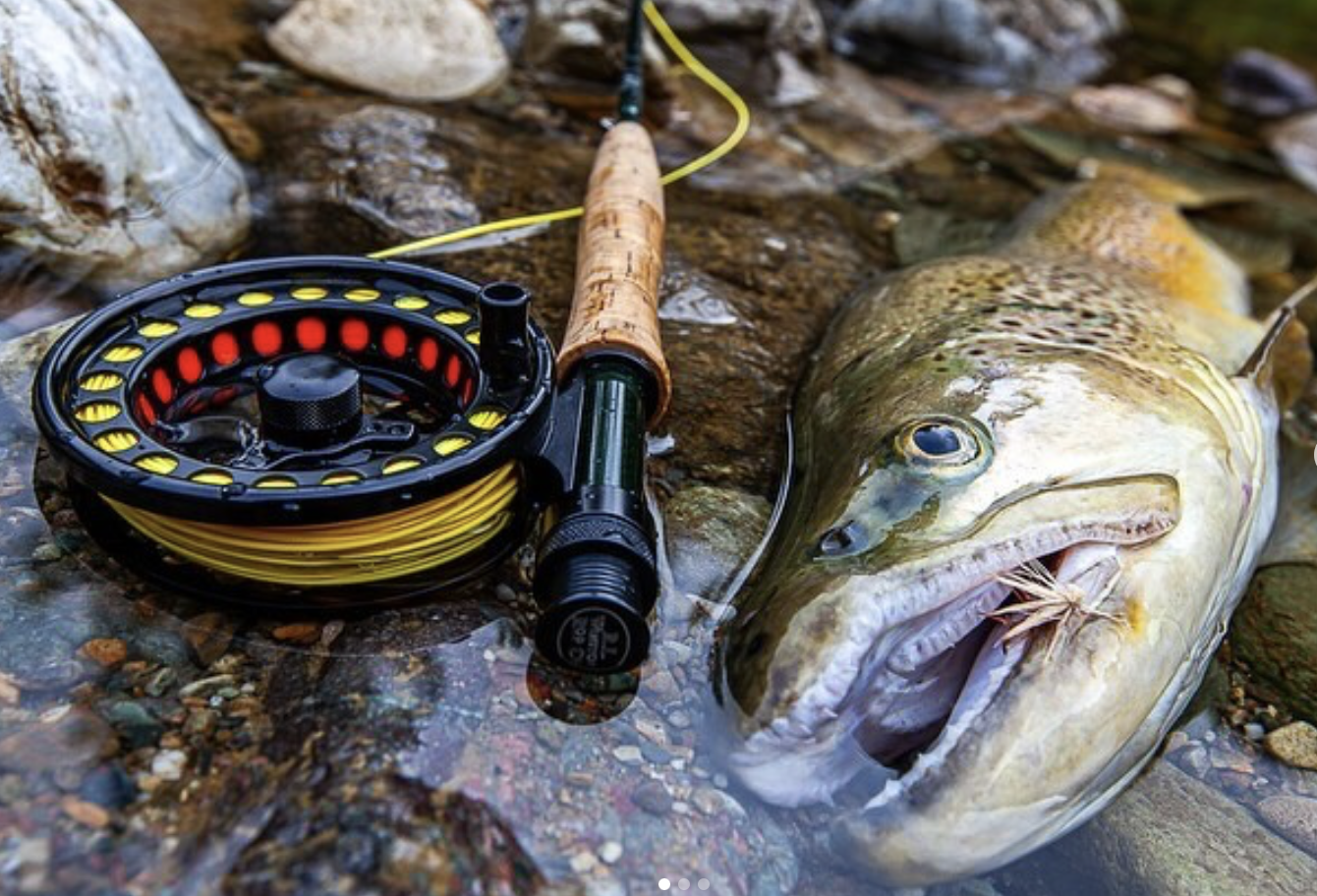
Fly fishing culture has always respected those who invest the time to truly understand a place. New Zealand continues to stand as one of the most demanding proving grounds in modern trout fishing, requiring anglers to balance patience, discipline, and adaptability. Those willing to embrace the process often find the lessons extend far beyond any single river.
Work like this contributes to the evolving knowledge base of destination fly fishing, helping anglers approach pressured water with realistic expectations and practical strategies. As access regulations shift and fishing pressure increases, resources built from firsthand experience become increasingly valuable for anglers committed to improving their craft.
Fly Life Media exists to spotlight anglers who contribute something meaningful to the culture — not just fish photos, but insight earned through time on the water. Creators willing to share hard-earned knowledge help preserve the integrity of fly fishing while preparing the next generation to approach these fisheries with respect and intention.
Follow along to learn more from anglers pushing their skills in places where opportunity is never given — only earned.
