

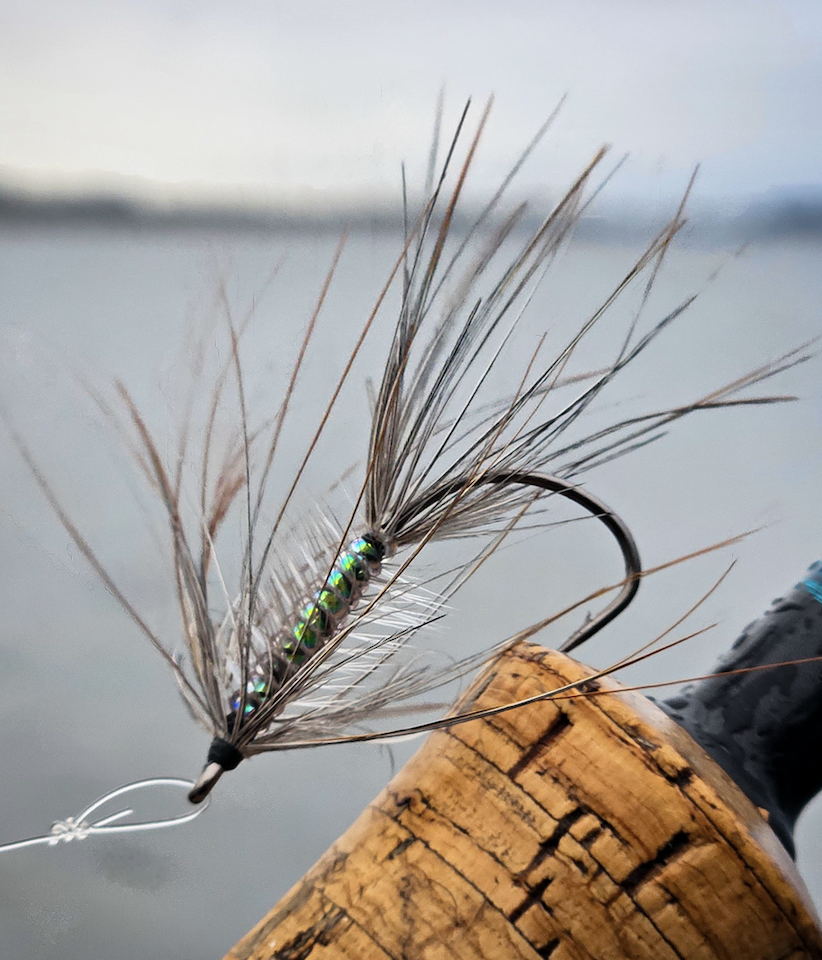
Angler Spotlight: Fly Tying, Fjords, and Sea Trout
Spend enough time around serious saltwater fly anglers and certain names start to carry weight — not because they chase attention, but because their work holds up where it matters. Jens Skaerbak, known through his Instagram handle @danish_fly_tying, is one of those names. His patterns are shaped by the demanding conditions of the Danish coastline, where sea-run brown trout expose any weakness in design, presentation, or approach.
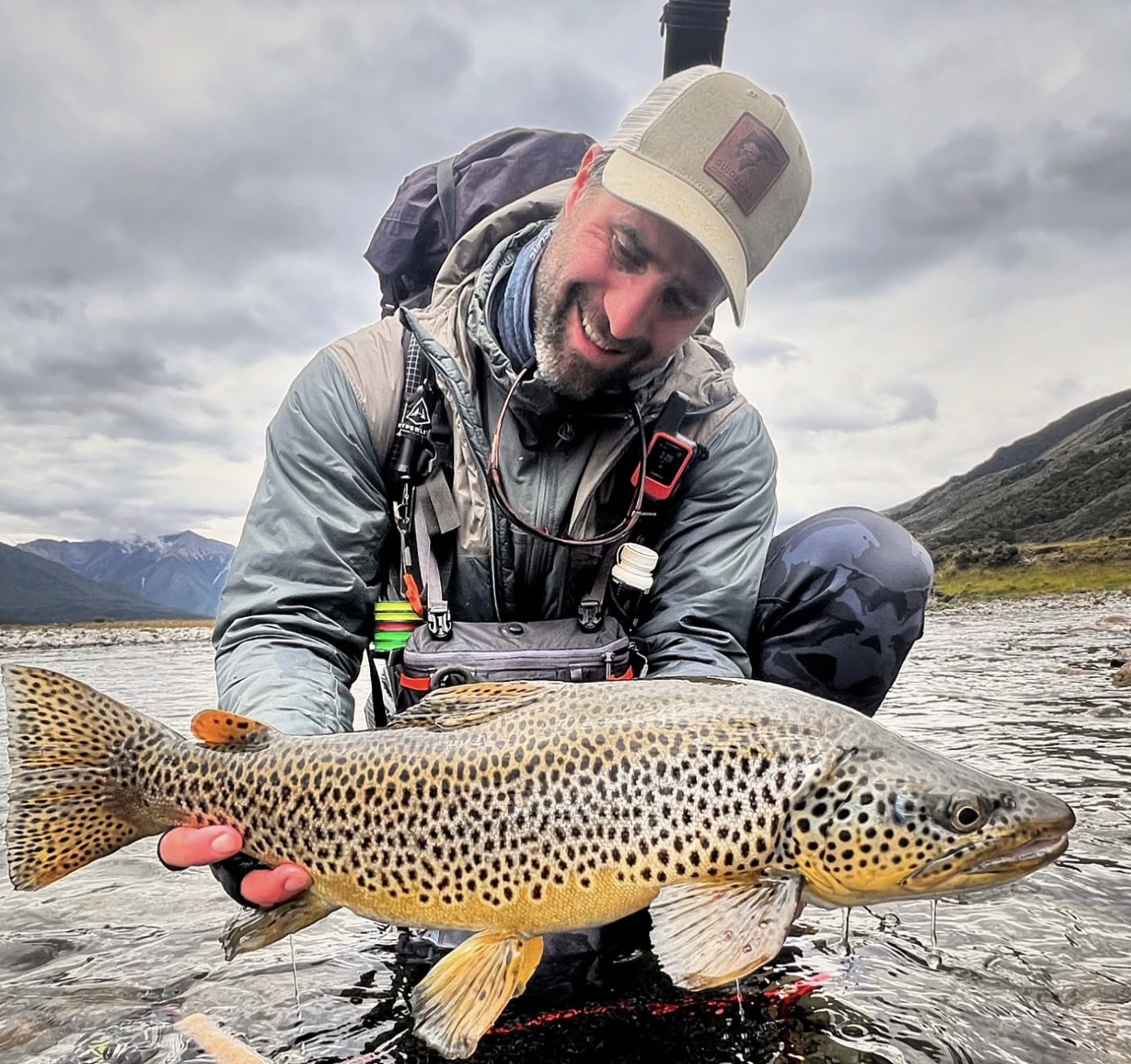
Inside the Challenges of New Zealand Backcountry Trout
Some anglers are shaped by the waters close to home. Others are defined by the willingness to go far beyond them. The angler behind @flyfish_adventures_worldwide represents the latter — someone whose pursuit of fly fishing has taken him across continents, deep into backcountry terrain, and into some of the most technically demanding trout fisheries on the planet.
Raised in Switzerland and drawn early to time spent on the water, his foundation was built chasing pike, carp, and trout in alpine lakes and rivers. But like many serious anglers, the deeper connection to fly fishing came later — through experience, perspective, and a deliberate decision to pursue challenge rather than convenience. A year-long global sabbatical ultimately redefined that direction, combining travel, wilderness immersion, and fly fishing into a single pursuit that would shape the years that followed.
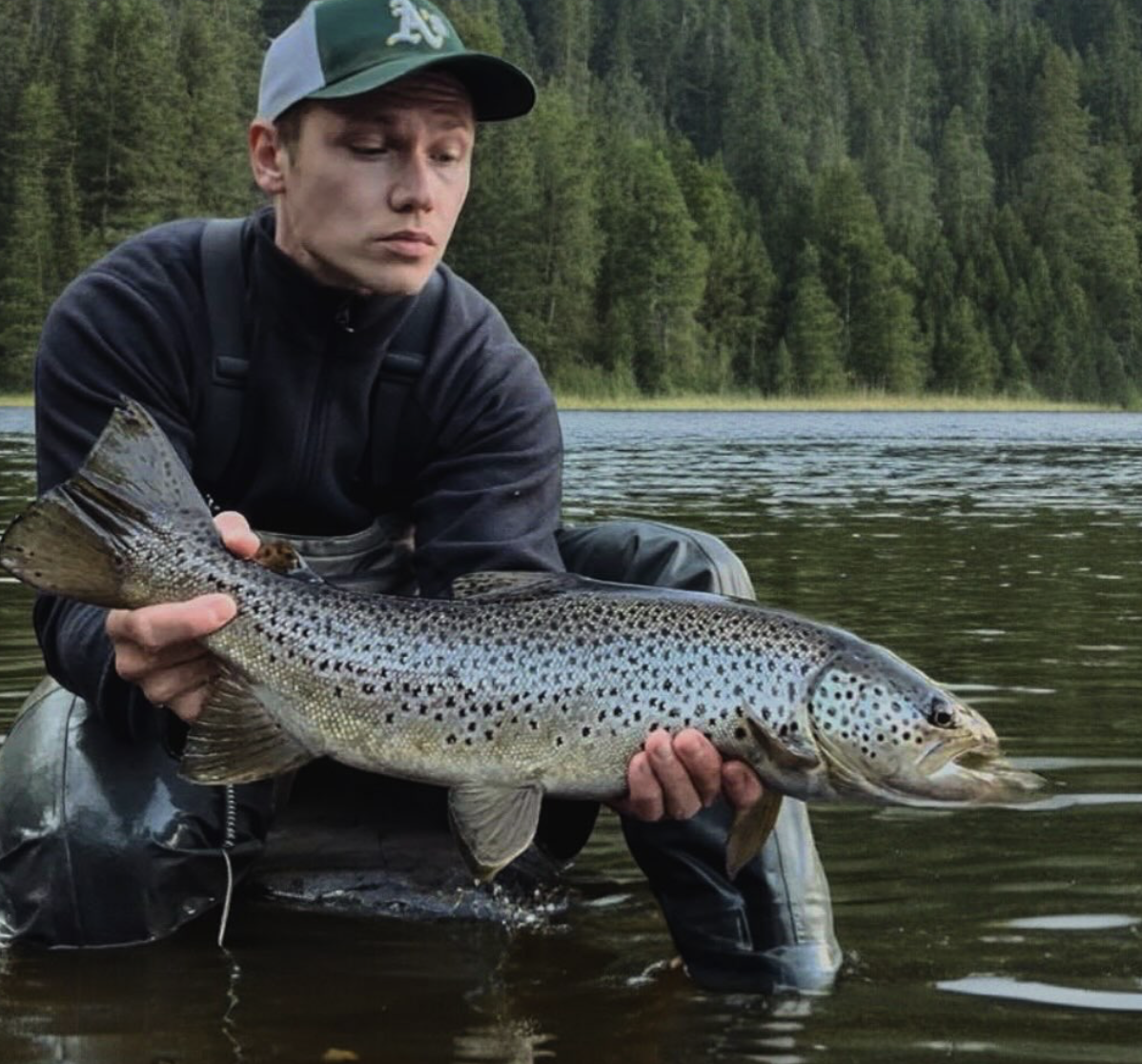
Fly Tying Simplicity Rooted in Real Fly Fishing
Some fly tiers chase perfection at the vise. Others chase understanding. André, known online as @fliesbyaspeen, represents the kind of fly fishing creator who values what happens beneath the surface more than what happens in front of the camera. His approach to fly tying is grounded in observation, experimentation, and a clear belief that effectiveness always outweighs complexity.
Like many anglers who become serious about the craft, André began with a simple goal — catch fish on flies tied by his own hand. Early success targeting grayling on pink and purple tungsten-bead nymphs helped shape a philosophy that continues to guide his work today: simple flies fish best. The patterns may not have been pretty, but they worked — and on the water, that’s what earns confidence.
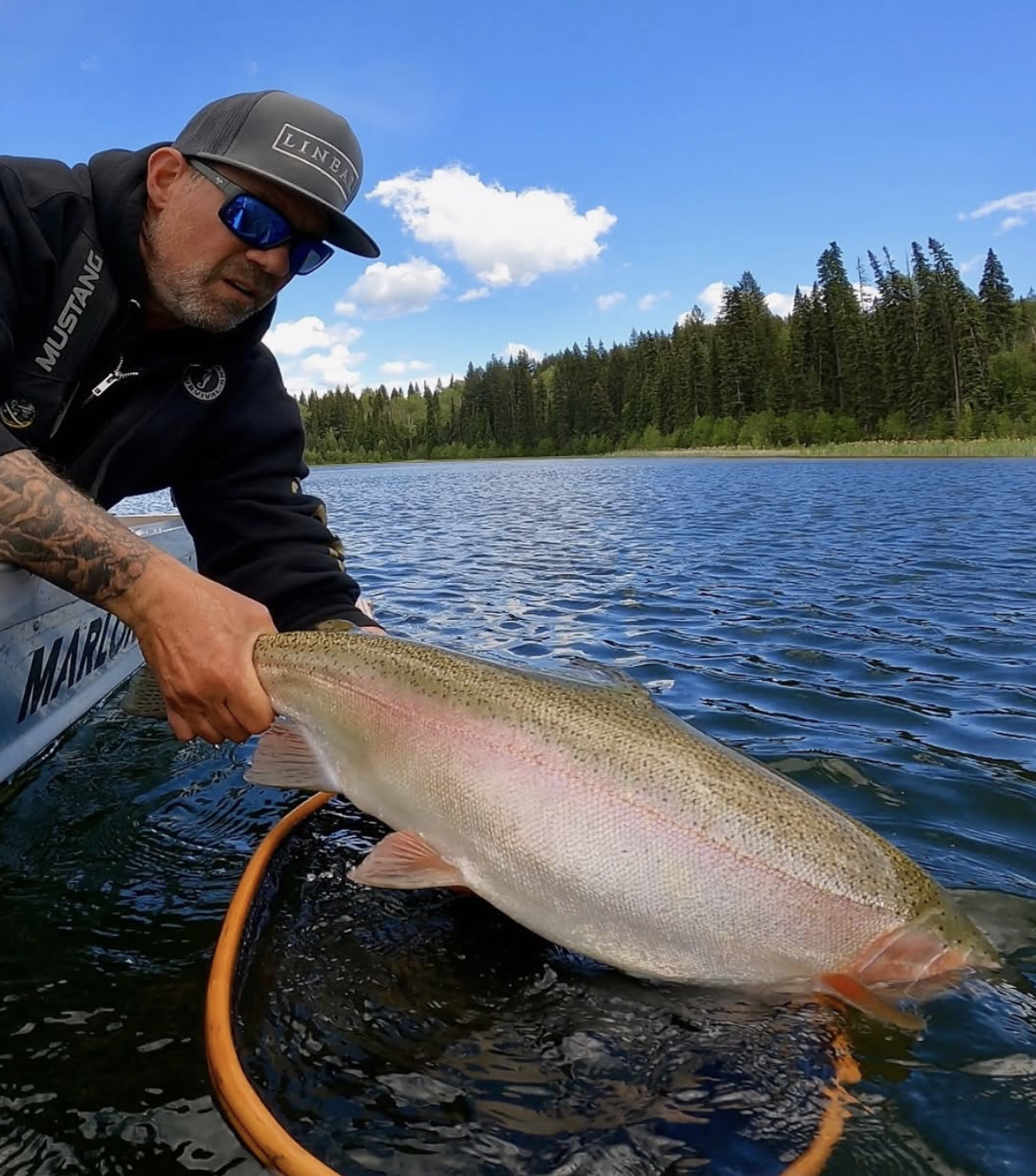
Chironomids, Depth Control, and Stillwater Fly Fishing
In stillwater fly fishing, success rarely comes from luck. It comes from anglers who understand structure, depth, and the quiet details most people overlook. Bows n Brews has earned respect in the stillwater space by approaching lakes with a disciplined mindset — reading wind lanes, understanding shoals and drop-offs, and fishing with intention rather than assumption.
Stillwater trout don’t roam aimlessly. They relate to transitions, edges, and consistent food sources. Anglers who consistently produce understand that depth control and presentation matter just as much as fly selection. Bows n Brews represents a technical approach rooted in observation and preparation — the kind of angling built through time on the water rather than trends on social media.
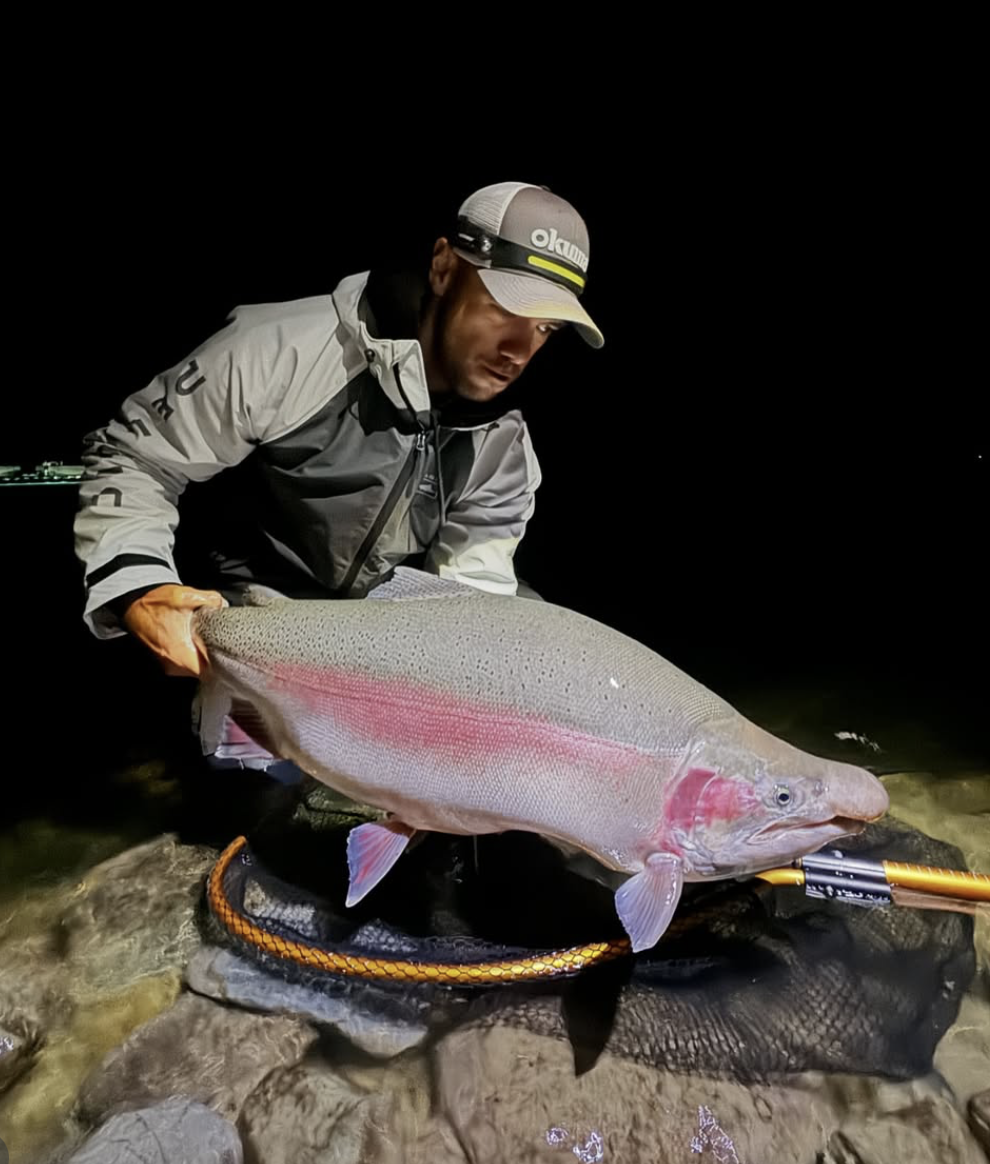
Fly Fishing or Spin Fishing NZ Canals: Addicted2Trout’s Tactical Breakdown
In the technical world of New Zealand canal fishing, success rarely comes from luck. These fish see pressure, experience changing flows, and demand thoughtful presentations from anglers willing to slow down and pay attention to detail. Addicted2Trout (@addicted2trout) has built a reputation around understanding those details — combining observation, patience, and adaptability to consistently connect with oversized canal trout.
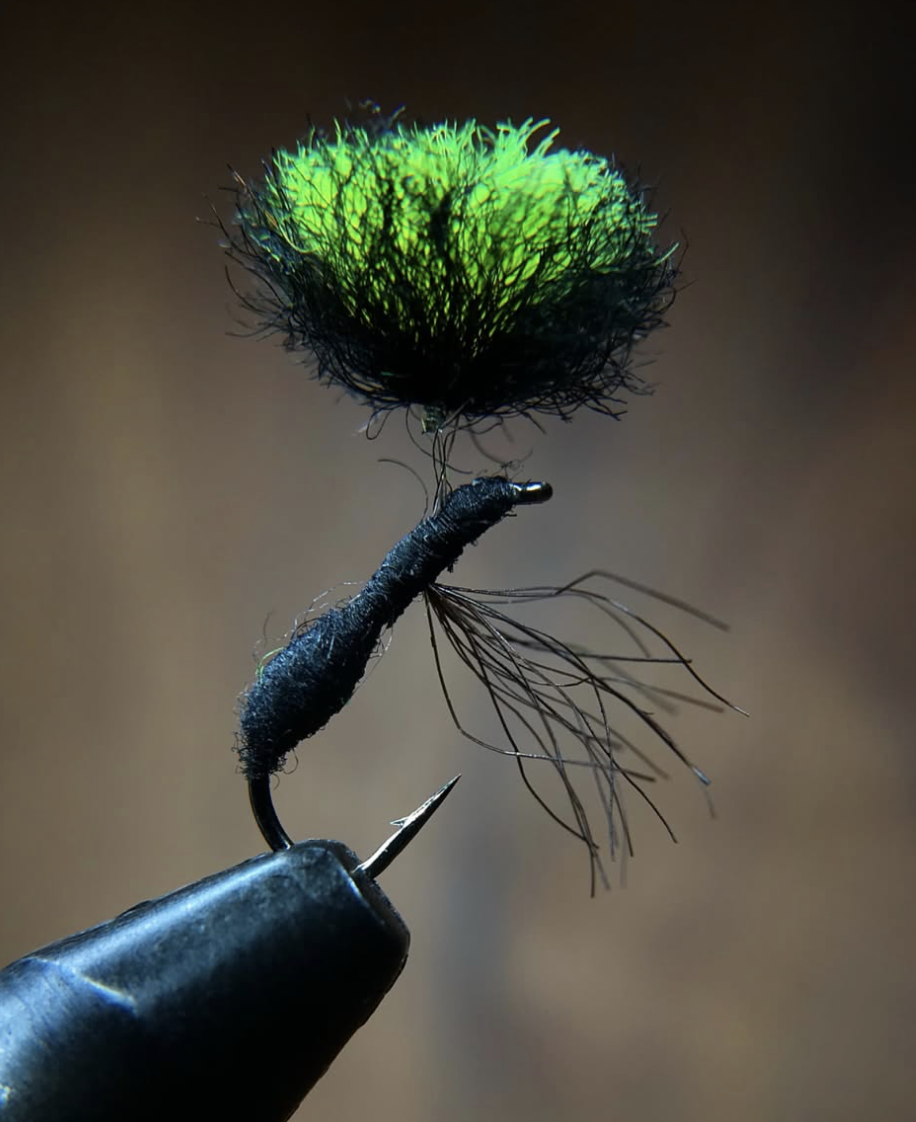
Technical Dry Flies Shaped by Japanese Rivers and Fly Fishing Tradition
In a global fly fishing culture that increasingly values precision and intentional design, @m.t_flytying_geek stands out for his disciplined approach to technical dry flies. His work reflects a deep respect for the small details that matter — profile, visibility, proportion, and the subtle triggers that convince selective trout to rise in challenging conditions. Rooted in Japan’s highly observant angling culture, his tying style emphasizes efficiency without sacrificing refinement.
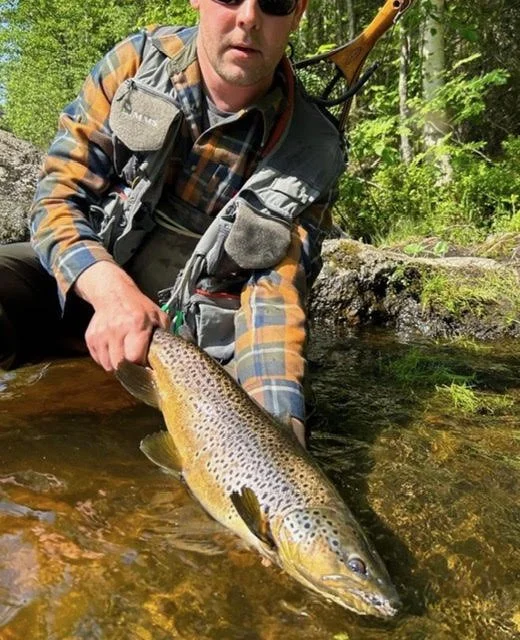
Approach to Streamer Fishing, Fly Tying, and Reading Water
There are anglers who fish… and then there are anglers who commit fully to understanding why fish eat — or don’t. Villeritvanen belongs firmly in the second category. With nearly three decades on the water, his work reflects a mindset shaped by patience, observation, and a relentless pursuit of refinement. This is the kind of angler who studies current seams longer than most people fish them, and whose fly box tells the story of problems solved through experience, not imitation.
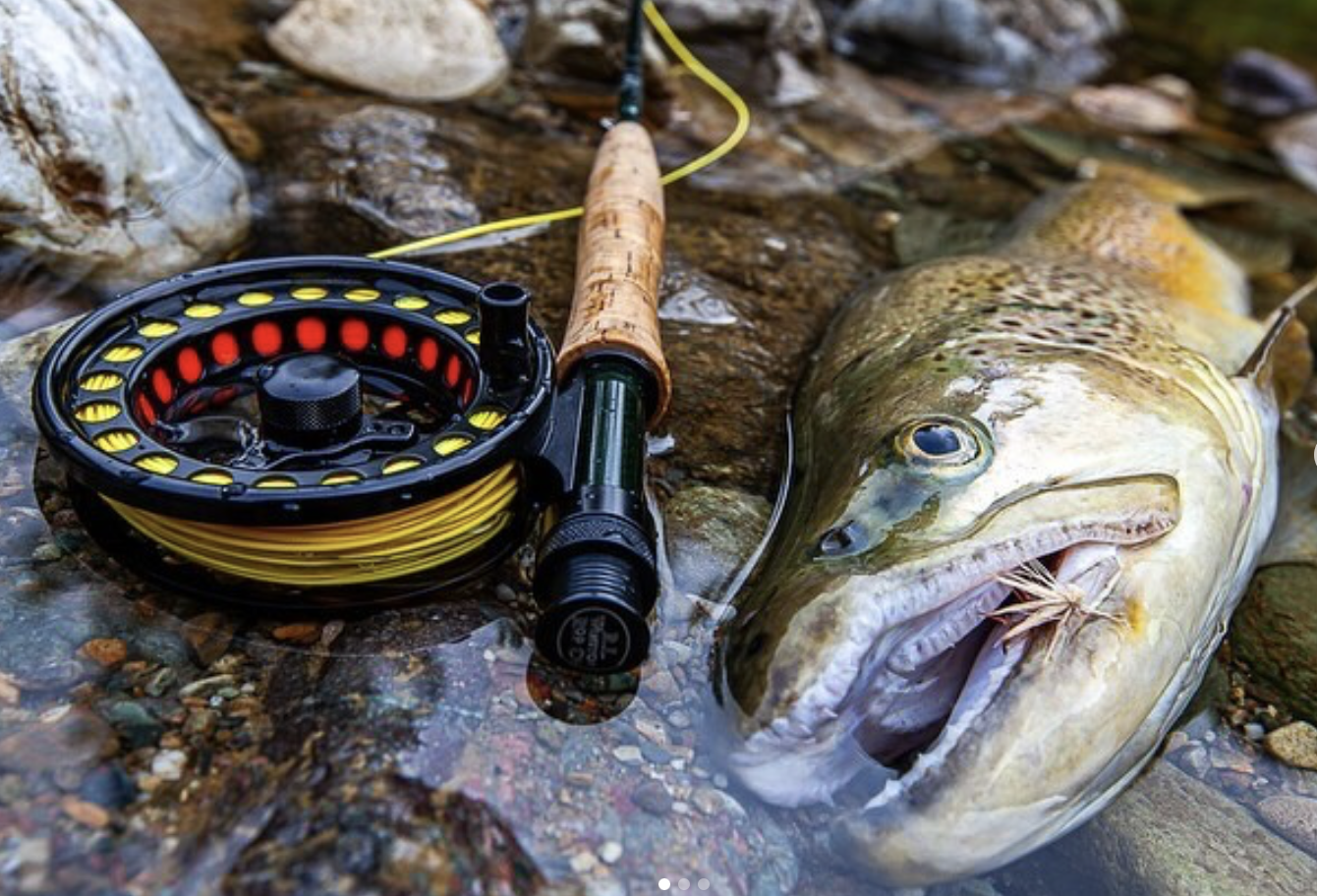
Rob Outdoor – Precision Fly Fishing in New Zealand’s Backcountry
Some fisheries expose gaps in your game immediately. New Zealand does it without apology. Long leaders, shallow light, fish that have seen everything — and terrain that demands both physical commitment and technical control. The anglers who return from that environment sharper didn’t stumble into success. They earned it step by step, often miles from the nearest road, adjusting approach, refining presentation, and accepting that opportunities are never guaranteed.
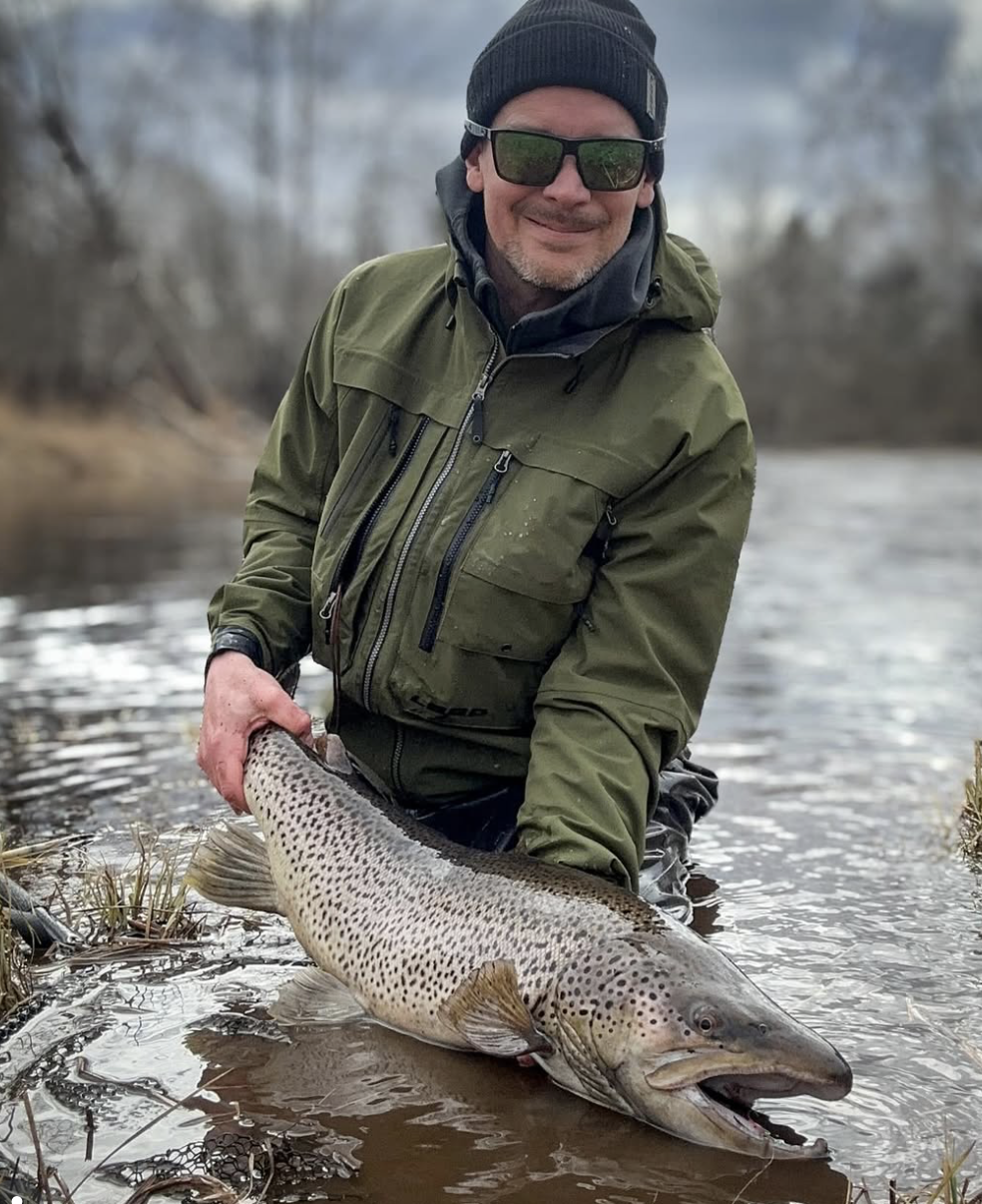
Trophy Brown Trout Tactics and Modern Fly Fishing
There are anglers who enjoy catching fish — and then there are anglers who dedicate their time to understanding the behavior of the biggest fish in the river. Karl Önning (@karl.onning) falls firmly into the second category. Known for his deliberate approach to swinging flies for trophy brown trout, Önning represents a growing segment of modern fly fishing culture focused less on numbers and more on meaningful encounters with truly exceptional fish.

How to Tie Ros’s Pink Pheasant Tail Nymph – Easy Step-by-Step Guide
Hey there, fellow anglers! If you’re looking for a fly that’ll get both trout and grayling (graining) excited, you’ve got to check out this little beauty: my variation of Ros’s Pink Pheasant Tail. I fished this one on the Saana and let me tell you, it pulled in some absolute monsters—one over 5 pounds in the first day!
The magic here is the simplicity: a quick, easy-to-tie pattern that packs a punch in your fly box. I swapped the traditional pheasant tail for a Dullon tail to give it a little extra flair while keeping the tie super fast. Whether you’re gearing up for winter nymphing or just want a go-to trout killer, this fly is one you’ll want plenty of.

Beginner’s Guide to Dubbing Loops — Tie the Casual Dress Nymph
This one’s got a bit of character. The Casual Dress Nymph, originally from the mind of Poly Roseboro, is one of those old-school, scruffy-looking patterns that just plain works. It’s not flashy, not fussy, and it sure doesn’t care if your wraps are picture-perfect. This fuzzy nymph imitates just about anything squirmy and alive drifting down the current — which makes it an absolute trout magnet. It’s a little tricky to tie thanks to those dubbing loops, but trust me, once you get the hang of it, you’ll have a fly that catches fish from the Smokies to the Rockies. Imperfect is perfect here — fish love messy.

Fly Tying Tutorial: Jigged CDC Hothead Pheasant Tail
oday we’re diving into a killer pattern that’ll make trout and other gamefish think twice—meet the Jigged CDC Hothead Pheasant Tail. This little guy is perfect for Euro rigs, under an indicator, or even as a stillwater bug. With pre-spawn activity and eggs in the water, that vibrant hot head is sure to spark curiosity—and a few strikes! Whether you’re chasing trout in streams or ponds, this fly is compact, flashy, and irresistible.

Chasing Wild Icelandic Trout: A Deep Dive Into Heidar Valley’s Raw, Untouched Fishing
There’s a certain kind of honesty you only find in places that haven’t been polished by time or people, and that’s exactly what comes through in this conversation from Iceland’s Heidar Valley. From that first morning when the landscape slowly revealed itself—raw, sharp, and brutal in a beautiful way—to long days split between the river and lake, the interview captures what it feels like to chase truly wild trout in a place that still holds onto its original genetics. There’s humor, too—like Tuva out-fishing the whole crew with a belly-crawl sneak attack—and real urgency about protecting Iceland’s untouched fisheries before they change forever. It’s the kind of story that reminds you why we travel, why we fish, and why these moments matter.

Step-by-Step Foam Flying Ant Fly Pattern Tutorial
There’s nothing quite like those post-storm days when flying ants take over the waterways, and the trout can’t resist. This foam flying ant pattern is your ticket to imitating those little aerial invaders that trout go wild for. It floats beautifully, has the perfect scraggly wings, and shows that irresistible cinnamon underside that trout can’t help but smack. Whether you’re tying it for a big afternoon on Victorian rivers or just want a trusty ant pattern in your box, this fly will have you catching fish and turning heads on the water. Let’s get tying!

How to Tie the Green Drake Half Hog — Step-by-Step Fly Tying Tutorial
Today we’re tying up a real looker — the Green Drake Half Hog. This pattern is one of those flies that turns heads both in the vise and on the water. It’s got that big-bug attitude of a Drake but tied with a subtle, natural profile that makes trout lose their composure during a hatch.
Think of it as the perfect cross between finesse and confidence — a sturdy, buoyant emerger that sits just right in the film. Whether you’re chasing late-spring hatches on a limestone stream or swinging through a Scottish loch, this one’s going to earn a spot in your fly box in sizes 10 and 12.
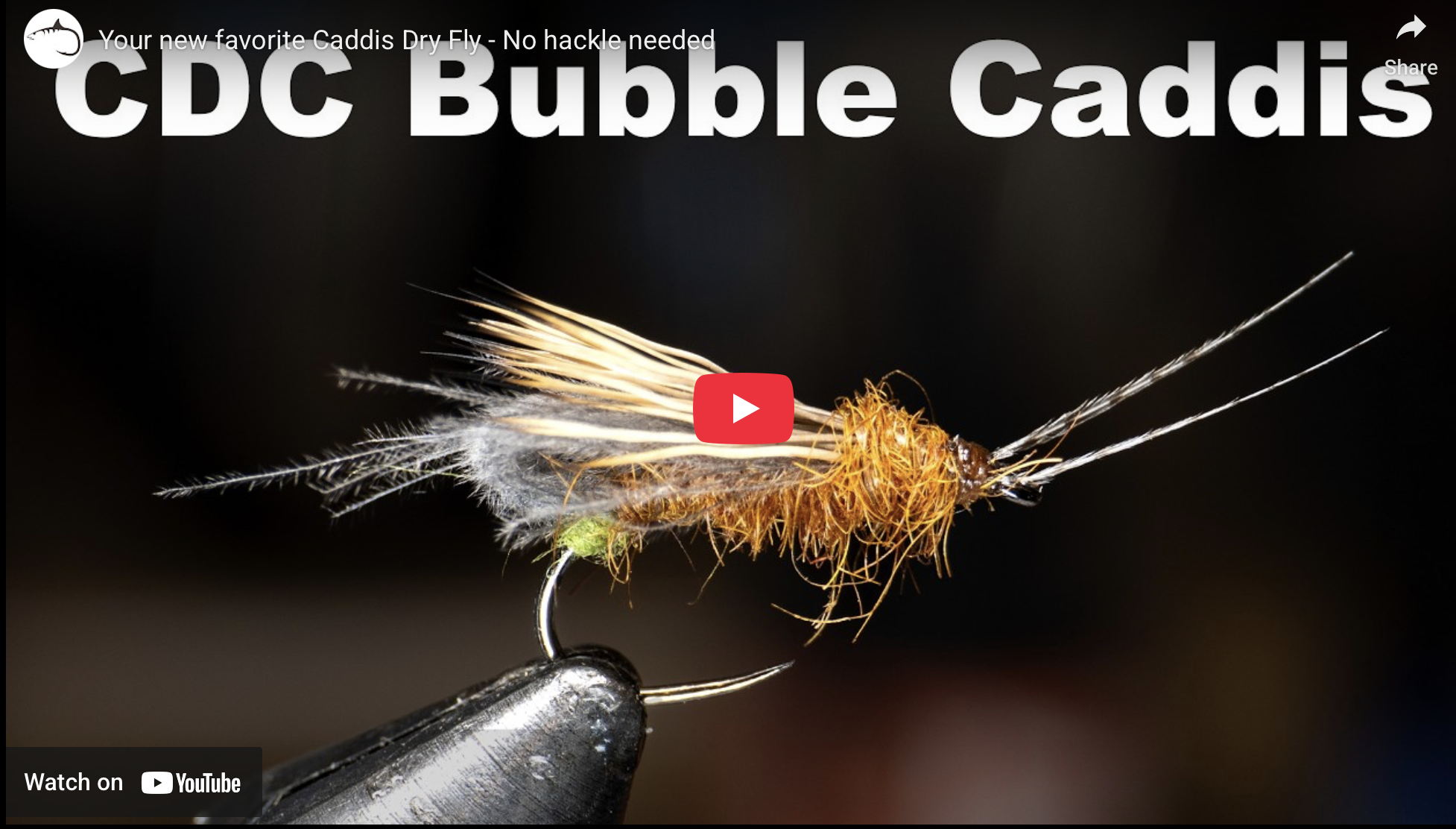
How to Tie the CDC Bubble Caddis – Realistic & Hackle-Free Dry Fly
Today we’re tying the CDC Bubble Caddis, a simple yet realistic dry fly that sits perfectly in the surface film and fools picky trout all day long. This little caddis imitator has all the right moves — a soft CDC underwing that traps air like the real thing, a buoyant elk hair top for visibility, and just enough scruffy dubbing to scream “buggy.”
It’s a great choice when trout are keying in on egg-laying adults or spent caddis. And the best part? No pricey hackle required — just natural materials and smart design. If you’re tired of flies that sink after a few drifts, this one’s your new best friend on the river.
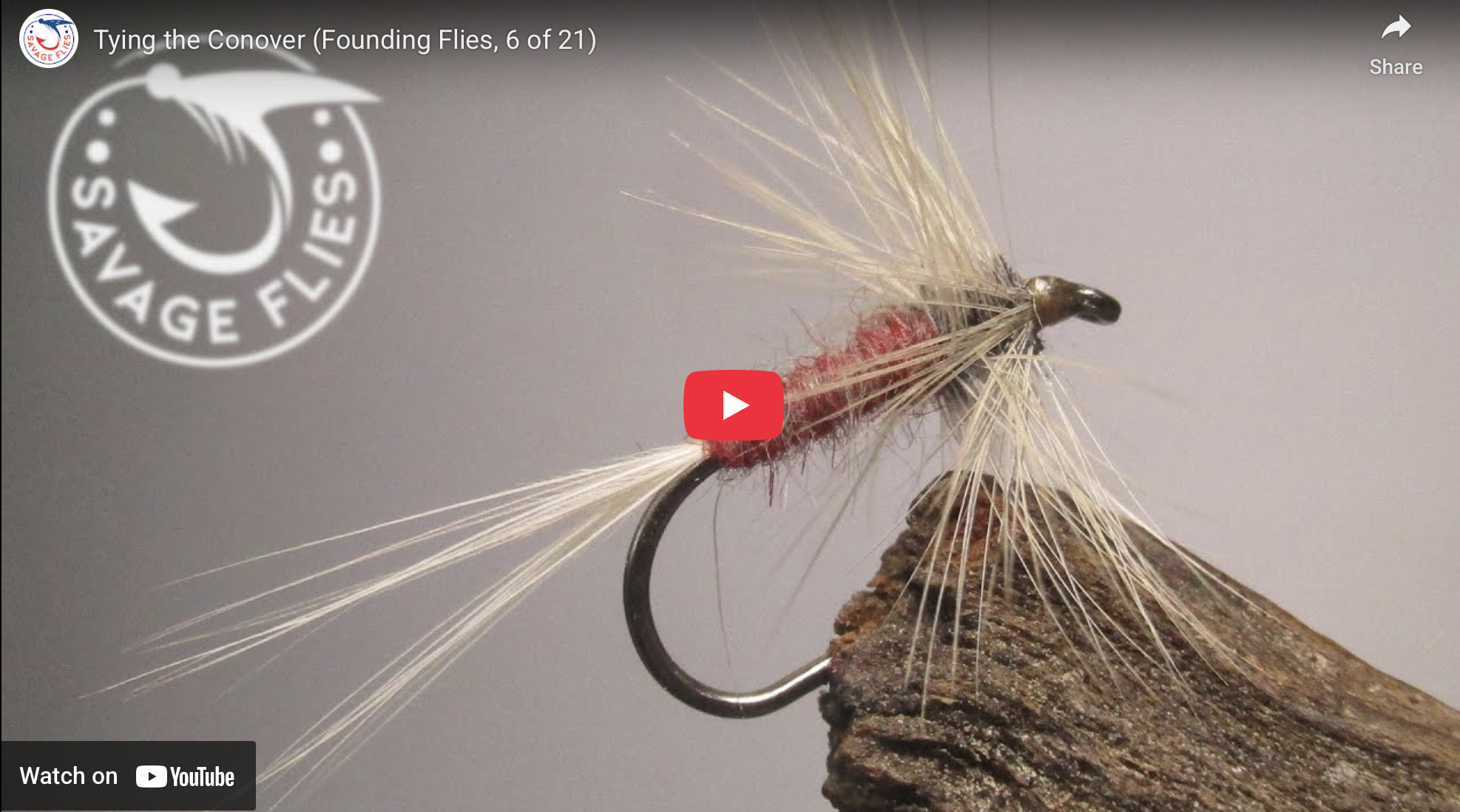
How to Tie the Conover – Classic Catskill Dry Fly Tutorial
We’re diving into one of the true classics of American dry flies: the Conover. Straight out of Mike Valla’s Tying the Founding Flies, this pattern is pure Catskill tradition — simple, elegant, and surprisingly effective.
It’s what I like to call a “no-nonsense” fly. Just three elements — tail, body, and hackle — but don’t let that simplicity fool you. The Conover shines as both a caddis hatch match and a generic mayfly attractor, and it’s one of those patterns that’ll quietly earn a permanent spot in your fly box. Plus, with its subtle dubbing blend of muskrat and red wool, it’s got that old-school charm that just looks fishy.

Chasing Giant Native Brook Trout in the Appalachian Mountains
Today’s Fly Life Media Video of the Day takes us deep into the Appalachian backcountry with the crew at Hardman Fishing Adventures — and trust us, this one’s a ride. Armed with a 3-weight and a whole lot of patience, they’re chasing the holy grail of southern streams: a true, native giant brook trout. From icy mountain creeks to surprise waterfalls, this adventure captures the grind, the beauty, and the humor that comes with chasing wild fish that don’t give up easy.
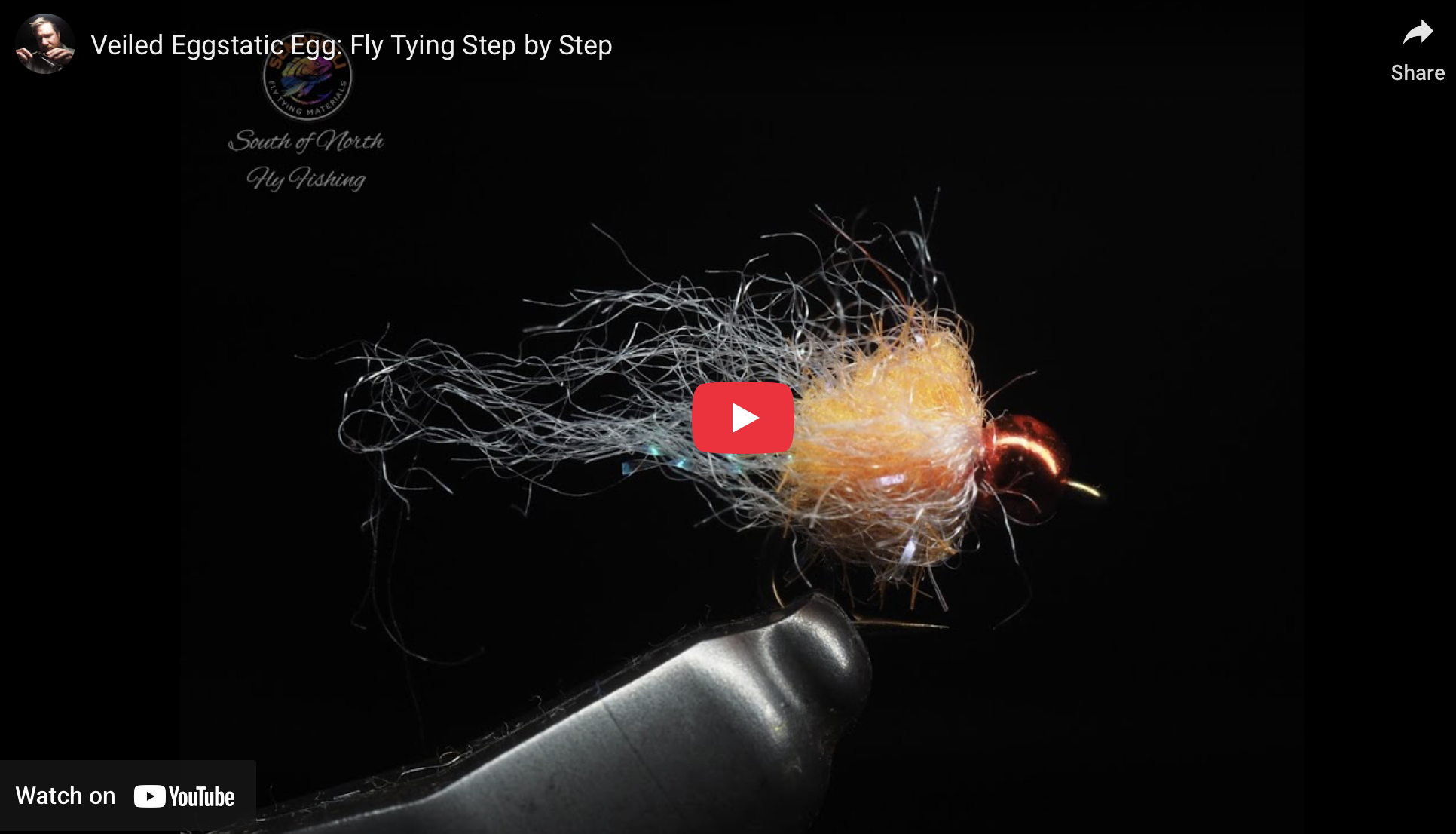
How to Tie a Veiled Beaded Egg Bomb Fly – Step-by-Step Guide
Today, we’re diving into a fly pattern that’s a true river favorite—the Veiled Beaded Egg, affectionately known as an Egg Bomb. Perfect for those salmon and trout sneaky nibbles in New Zealand rivers like the Tongero, Rotaroa Lakes, Titi, or Hanamaya, this pattern gets right down to the bottom where the action is.