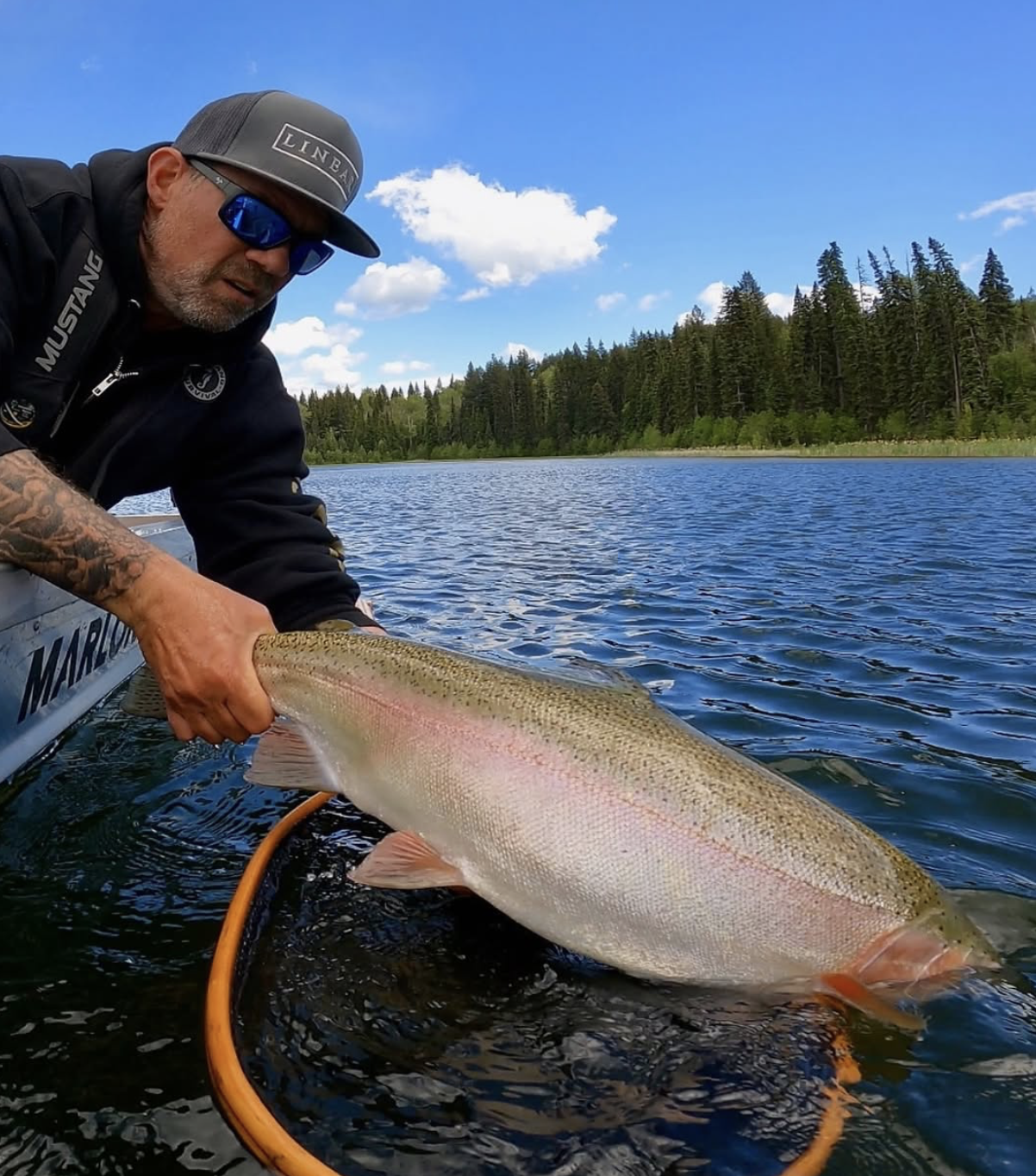
Chironomids, Depth Control, and Stillwater Fly Fishing
With: bowsnbrews
In stillwater fly fishing, success rarely comes from luck. It comes from anglers who understand structure, depth, and the quiet details most people overlook. Bows n Brews has earned respect in the stillwater space by approaching lakes with a disciplined mindset — reading wind lanes, understanding shoals and drop-offs, and fishing with intention rather than assumption.
Stillwater trout don’t roam aimlessly. They relate to transitions, edges, and consistent food sources. Anglers who consistently produce understand that depth control and presentation matter just as much as fly selection. Bows n Brews represents a technical approach rooted in observation and preparation — the kind of angling built through time on the water rather than trends on social media.
Chironomid fishing often appears simple from the outside, but those who dedicate themselves to mastering it understand the level of precision required. Leader length, exact depth, subtle takes, and balanced fly design all play a role in turning quiet water into consistent opportunity. Bows n Brews approaches stillwater fly fishing with the kind of patience that only comes from confidence in the process.
In a culture often driven by constant movement, stillwater anglers who commit to refinement stand apart. The insights below reflect an angler focused on the fundamentals — understanding where trout feed, how presentation influences behavior, and why small adjustments often make the biggest difference.
1. Reading a New Lake
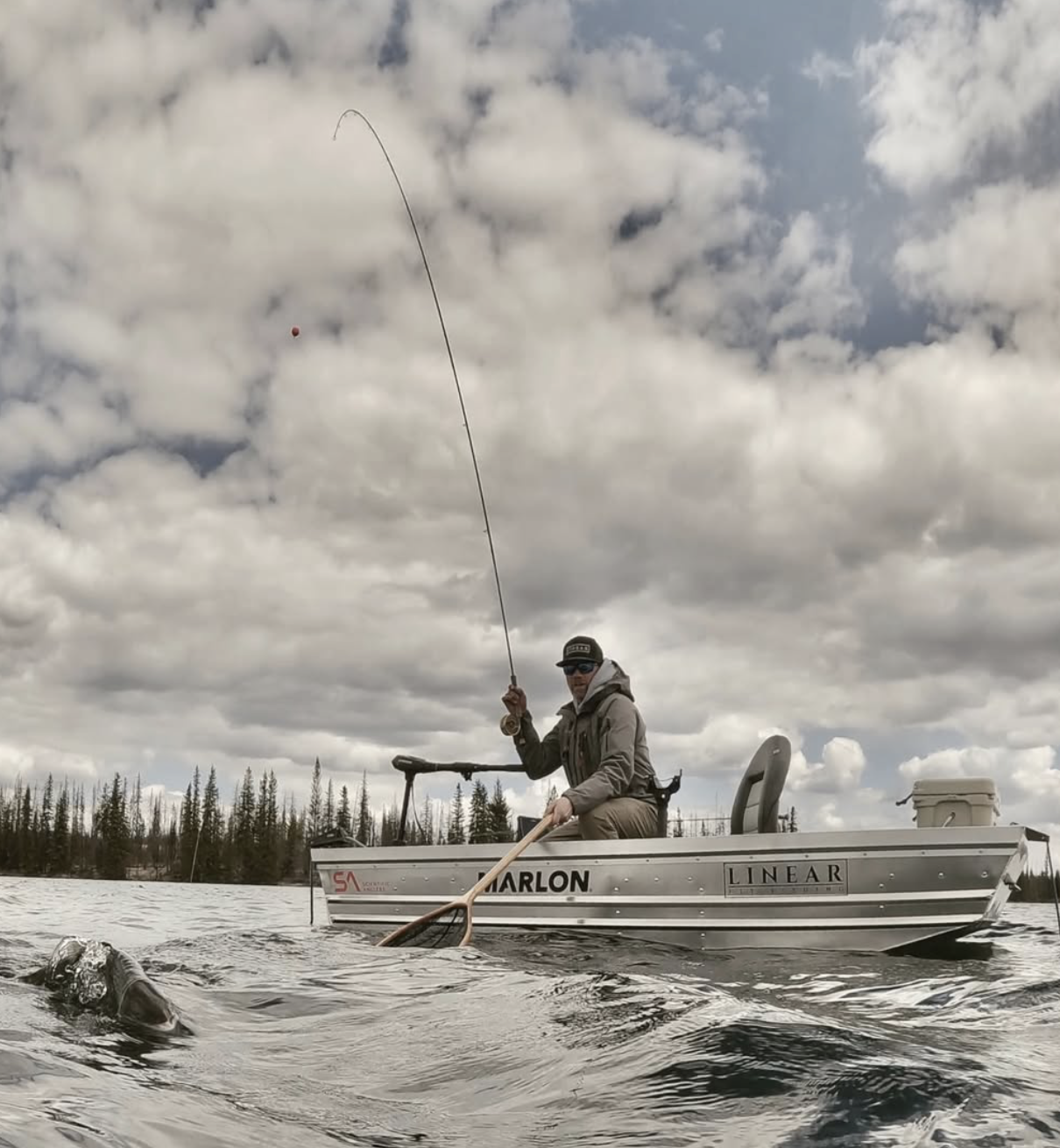
When I pull up to a new lake, the first thing I’m reading is structure and wind.
Wind lanes tell you where groceries are stacking up. Shoals and drop-offs tell you travel routes. Weed beds tell you where life lives. And bird activity? That’s confirmation of hatch activity..
Stillwater isn’t random. Trout don’t just cruise aimlessly — they relate to edges. Depth transitions. Structure. Food concentration.
So my first move isn’t just dropping anchor anywhere. I want to set up where a shoal rolls into 12–18 feet with wind pushing into it. That gives me a feeding lane.
That initial read dictates everything — where I anchor, which line I grab, whether I start under an indicator or fish a more active presentation.
You don’t fish a lake.
You fish pieces of a lake.
2. What Separates Consistent Chironomid Anglers
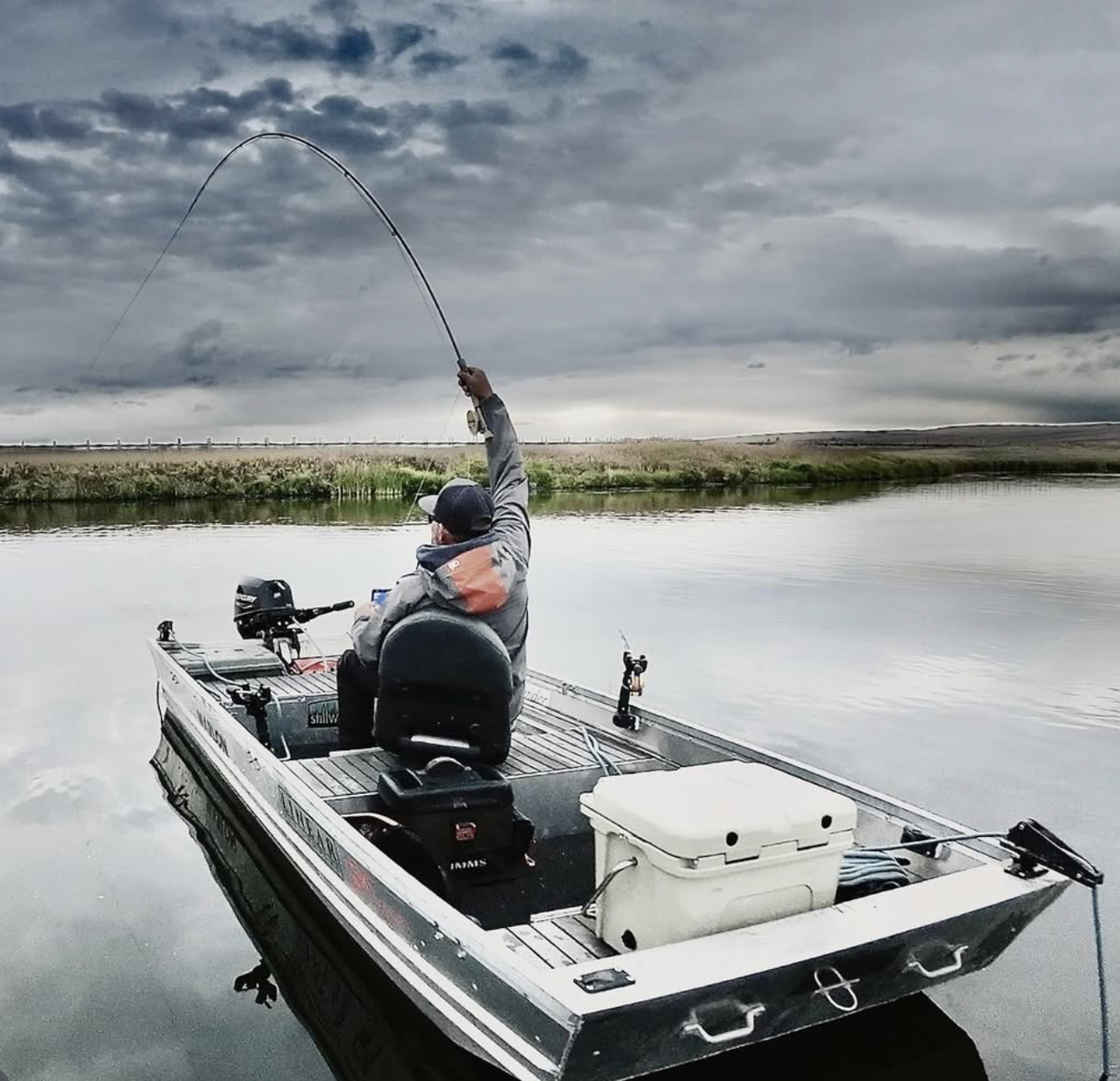
From the outside, chironomid fishing looks like you’re just sitting there.
The difference is in the details.
Consistent anglers understand:
Exact depth — not “about 12 feet”… but 11’6”
Static presentation vs. active movement
Leader length relative to depth
Subtle takes — not waiting for the bobber to disappear
The guys who struggle are usually not fishing in the right area, not at the right depth, they're too impatient, or they’re not watching the indicator properly.
Stillwater fish often inhale and hold. The take can be a twitch, a lean, or just the indicator standing up instead of lying flat.
The other separator is confidence. When you know you’re at the right depth and your bugs match what’s hatching, you let it soak. You don’t constantly mess with it.
Precision beats panic every time.
3. Dialing in Depth
Depth is everything.
My starting depth depends on the season and what I’m marking or seeing. Early season, I’ll start shallower — maybe 6–12 feet. Mid-season, I’m often 12–20.
If I’m marking fish at 14 feet, I’m fishing 14 feet. Not guessing. Not rounding.
What tells me to adjust?
In BC, we can fish two rods with only one person in a boat. I will set up my rods to fish two different depths, observe which depth is achieving more results and adjust the depth on the less active rod.
Observing the sounder to see if fish are moving up or down in the water column
Is there vegetation right below your presentation? Watching how the indicator reacts while drifting over these areas may tell you to adjust your presentation a bit higher.
I adjust in one-foot increments. Not three. Not five.
If after a couple of precise adjustments I’m still not in the game, then I’ll change size or color before I move spots.
But if I’m confident fish are there and feeding, I adjust depth first.
Depth before ego.
4. At the Vise — What Matters
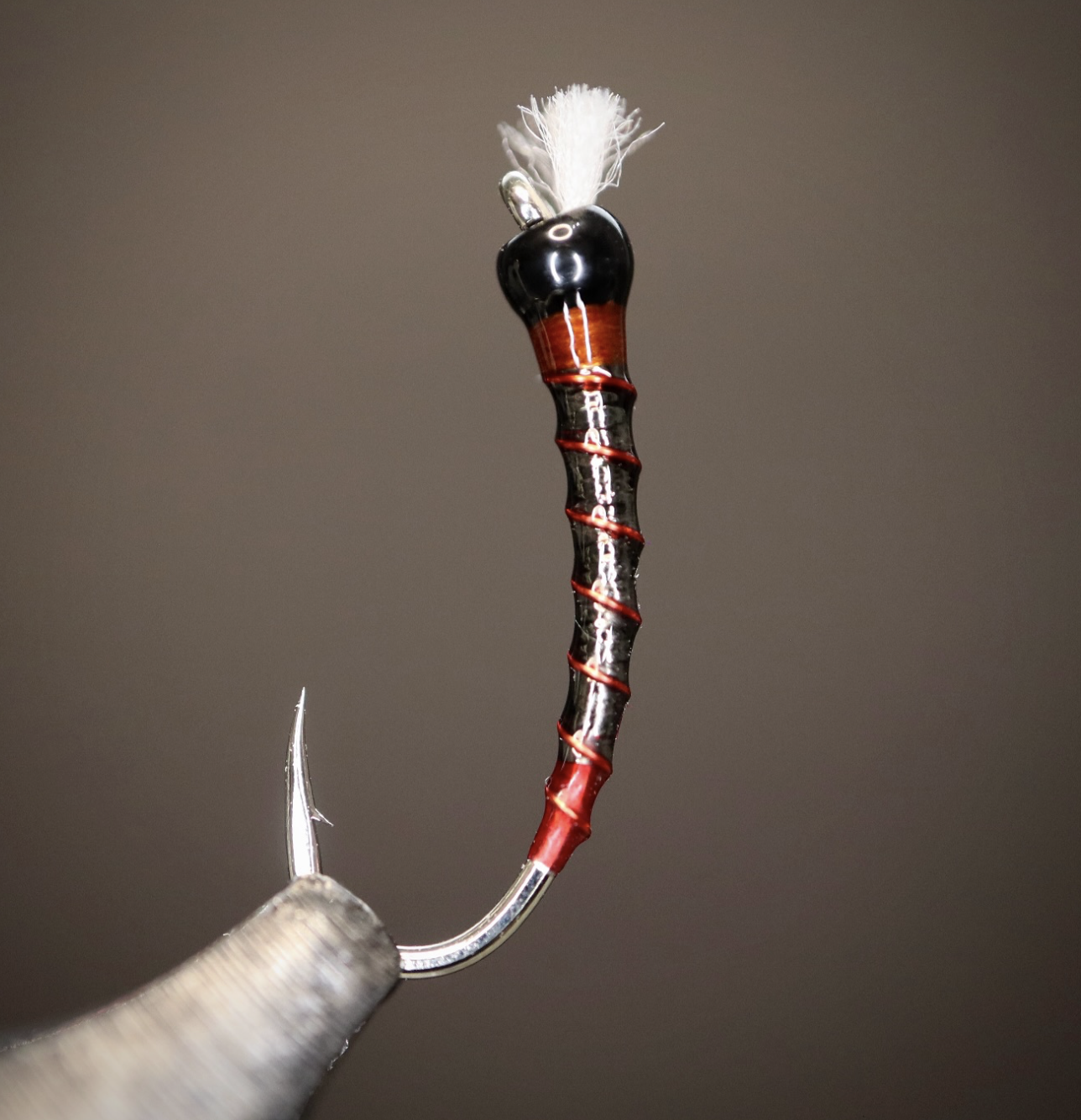
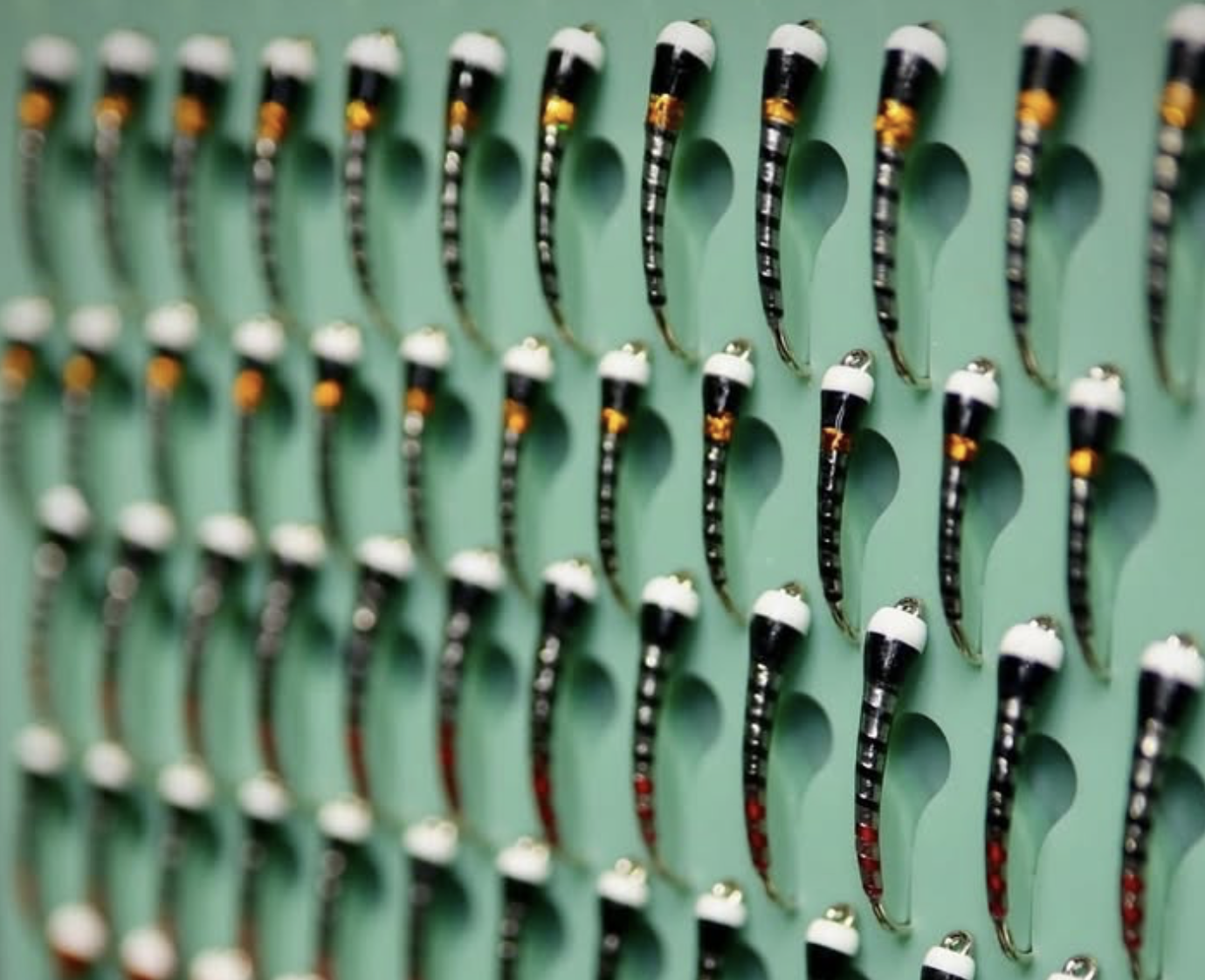
Stillwater flies are about proportion and profile.
Slim means natural. Bulky usually means wrong.
Rib spacing matters because segmentation matters. Chironomids are clean. Uniform. Tight.
Bead selection is huge. Tungsten vs brass changes sink rate and hang angle. Color can trigger or shut down a bite.
Durability matters too. When you’re fishing 12–18 feet down, that fly might sit in front of fish for minutes at a time. It can’t fall apart after one trout.
Everything I do at the vise has a purpose:
Balanced profile
Proper taper
Correct bead weight
Clean finish
Durable
When that fly is hanging 12 feet down, it needs to look alive — not overdressed.
Details at the bench equal confidence on the water.
5. What Stillwater Has Taught Me
Stillwater teaches discipline.
It forces you to slow down. To think. To trust your preparation.
You can’t just move every five minutes like on a river. You commit. You analyze. You adjust methodically.
Over time, that builds confidence. Not loud confidence — quiet confidence.
You learn that if you do the fundamentals right — depth, location, presentation — the fish will come.
It’s also taught me patience in life. You don’t force things. You control what you can control.
Stillwater fishing rewards anglers who can sit in the process without needing instant feedback.
That mindset carries everywhere.
Stillwater fly fishing rewards anglers willing to slow down and trust their preparation. Bows n Brews demonstrates how discipline, observation, and technical precision create consistent results — particularly when fishing chironomids where depth and presentation must align perfectly.
Fly fishing culture has always been shaped by anglers who refine technique rather than chase shortcuts. Through a focus on structure, proportion in fly tying, and confidence in depth control, Bows n Brews contributes to the technical progression of stillwater angling and reinforces the importance of process-driven fishing.
At Fly Life Media, we spotlight anglers who represent the earned side of fly fishing — those who respect the craft and continue to build knowledge through time on the water. Bows n Brews is part of that tradition, and anglers serious about stillwater fly fishing would do well to pay attention.
Stillwater fly fishing has always rewarded anglers willing to slow down and do things right. Trevor Tatarczuk embodies that mindset — focusing on depth control, fly proportion, and reading structure rather than chasing shortcuts. That approach reflects a deeper understanding of how trout behave in lakes and how disciplined anglers consistently put themselves in position to succeed.
Fly fishing culture is built on earned credibility, and stillwater specialists continue to push the technical side of the sport forward. By refining chironomid presentations, emphasizing precise depth management, and maintaining intentional fly design, anglers likeTrevor Tatarczuk contribute to a body of knowledge that benefits everyone willing to pay attention.
At Fly Life Media, we highlight anglers who approach the water with purpose. Those who respect the process, trust preparation, and understand that confidence comes from putting in the time. Trevor Tatarczuk is exactly the kind of angler serious fly fishers recognize — and the kind worth following as stillwater fly fishing continues to evolve.