

Technical Dry Flies Shaped by Japanese Rivers and Fly Fishing Tradition
With: @m.t_flytying_geek
In a global fly fishing culture that increasingly values precision and intentional design, @m.t_flytying_geek stands out for his disciplined approach to technical dry flies. His work reflects a deep respect for the small details that matter — profile, visibility, proportion, and the subtle triggers that convince selective trout to rise in challenging conditions. Rooted in Japan’s highly observant angling culture, his tying style emphasizes efficiency without sacrificing refinement.
Masashi’s connection to fly fishing grew naturally from a lifelong fascination with insects, animals, and the natural world. That curiosity translated seamlessly into fly tying, where aquatic entomology and material experimentation opened the door to endless possibilities. Like many serious anglers, the realization that the river holds far more complexity than meets the eye became a driving force behind his evolution at the vise.
Japanese trout fisheries often demand a technical approach. Clear water, pressured fish, and nuanced hatches require patterns that balance realism with function. Masashi embraces this challenge, drawing insight from books, film, and the broader global tying community while staying grounded in what actually performs on the water. His recent focus on highly visible dry flies reflects the practical mindset of an angler adapting with experience — proof that effective fly design evolves alongside the tier.
Influenced by innovators within Japanese fly tying culture, Masashi continues to refine patterns that meet the demands of selective trout, particularly during late-season conditions when small insects dominate and precision presentation becomes critical. His appreciation for adaptable patterns like the X Caddis demonstrates a respect for flies that perform consistently under real fishing pressure — patterns anglers trust when conditions become technical.
The following Q&A offers insight into Masashi’s perspective on Japanese fly tying culture, dry fly design, and the subtle decisions that separate average patterns from those that consistently produce.
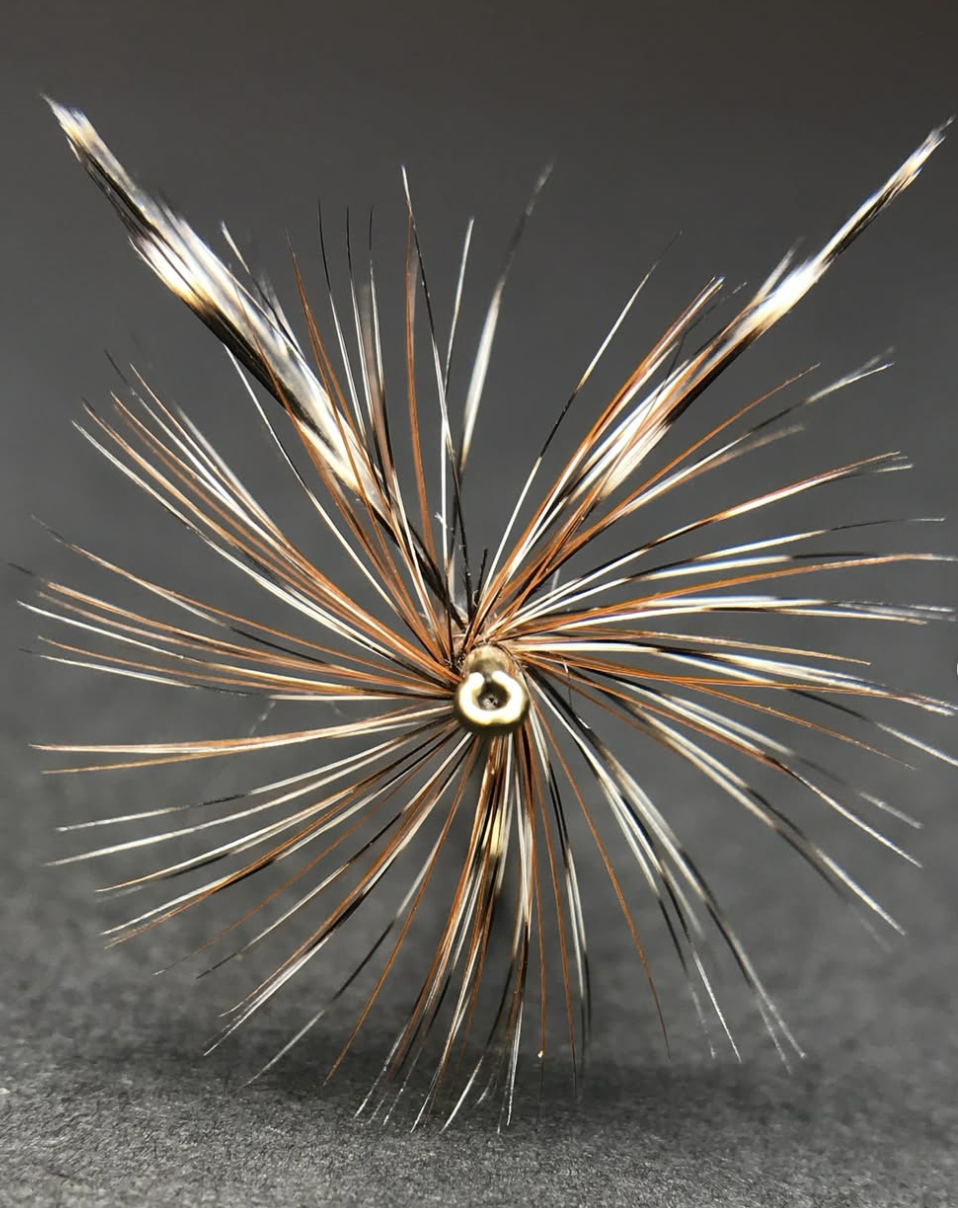
Your Instagram showcases intricate dry flies and technical tying techniques — what first drew you into fly fishing and inspired you to start tying your own flies?
Since childhood, I’ve always been drawn to fishing, insects, and animals. Spending time in nature felt natural to me, so when a friend introduced me to fly fishing, it immediately captured my attention. The idea that you could imitate insects and present something so small and precise to a fish was fascinating, and I quickly became deeply absorbed in the process.
Around the same time, I began tying my own flies. I had always seen insects around rivers and streams, but I hadn’t really understood how many different species existed or how important they were to trout. Discovering the world of aquatic insects opened up a completely new perspective. Learning about materials was also exciting — feathers, furs, synthetics — each offering different movement and texture in the water. The more I learned, the more I realized how much creativity and problem-solving fly tying allows, which continues to keep me motivated today.
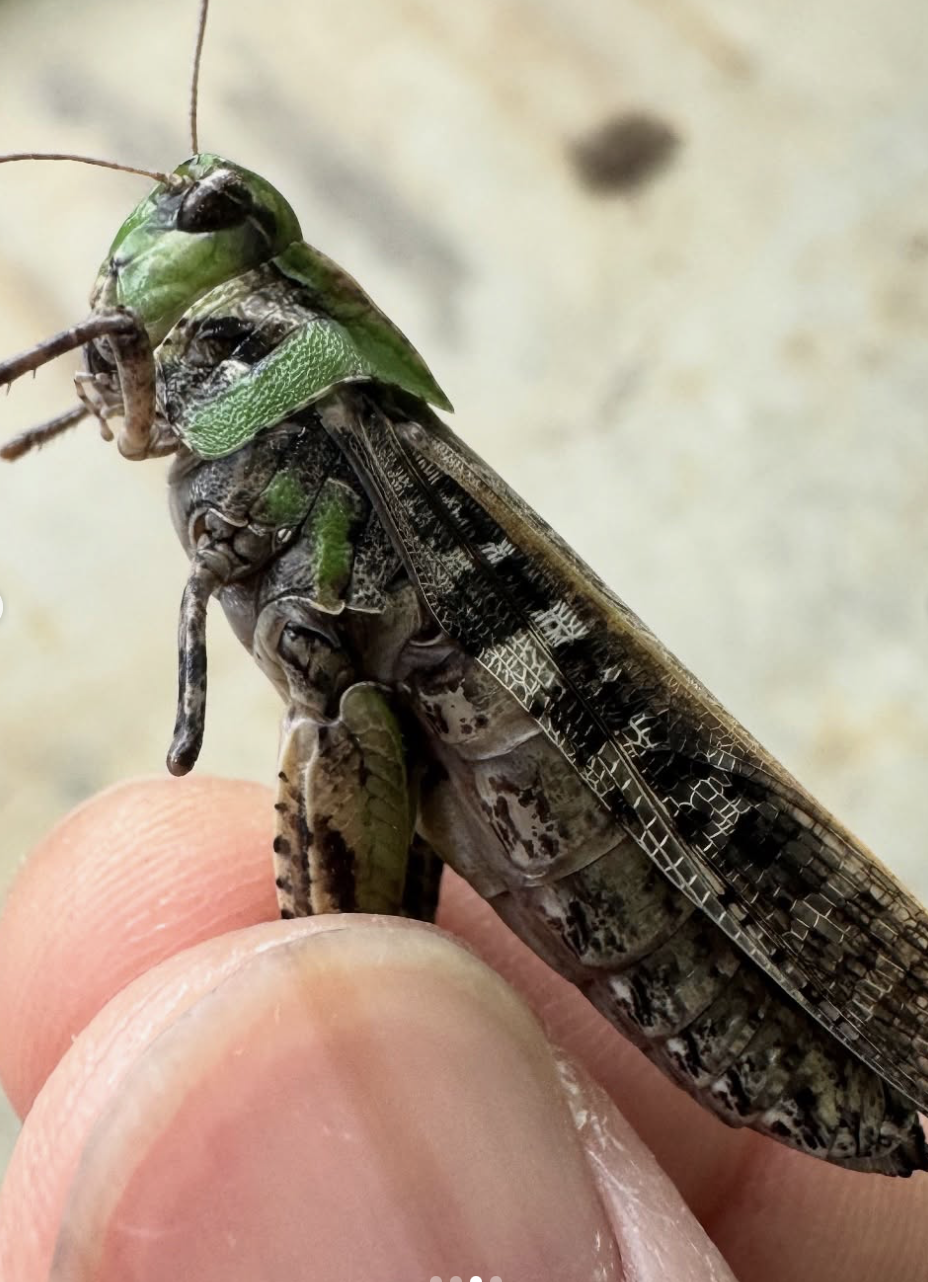
Japanese rivers have unique trout species and insect hatches — how do these conditions influence your choice and design of dry flies?
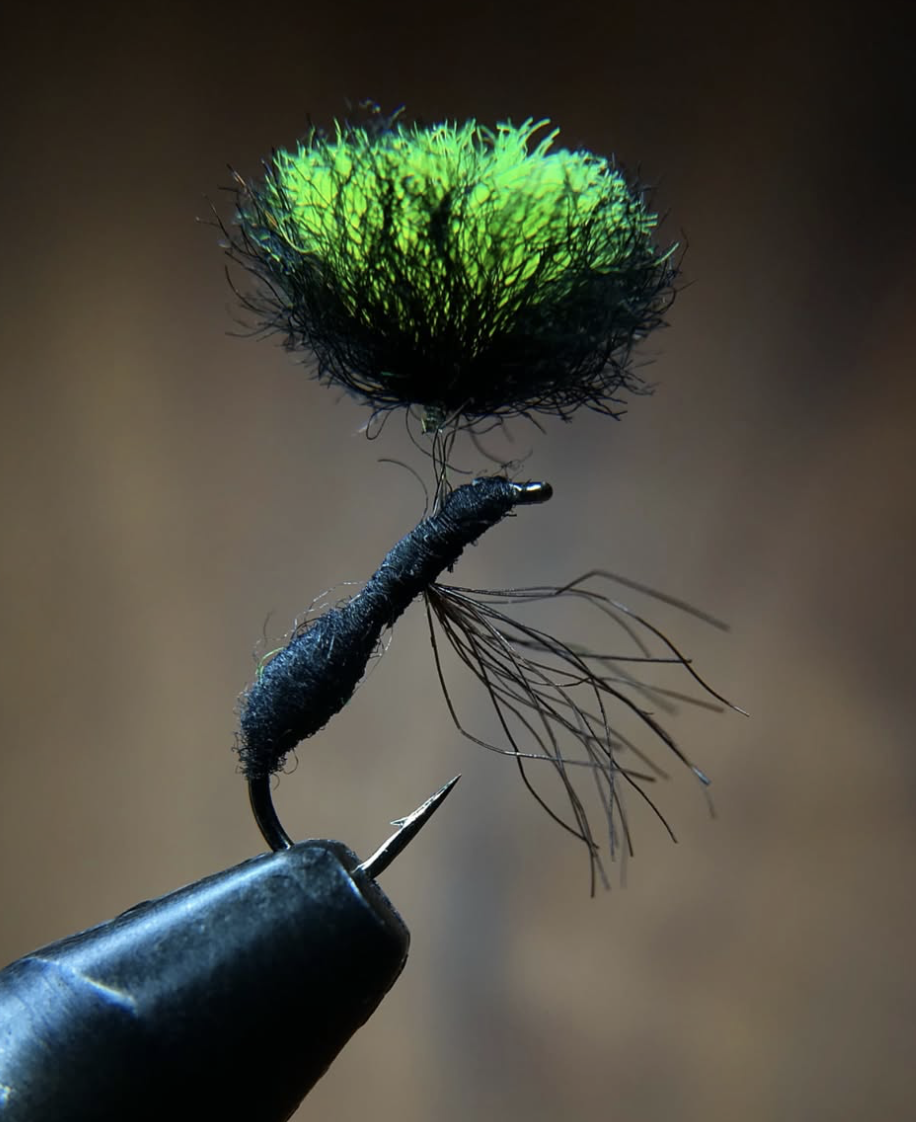
In recent years, I’ve begun experiencing presbyopia, so visibility has become an important factor when selecting and designing dry flies. I now appreciate patterns that are easier to see on the water while still maintaining a natural silhouette that trout will accept. Balancing visibility for the angler with realism for the fish has become an interesting challenge.
Today, we have access to a wide variety of information through books, videos, and social media, which allows me to study different tying styles and techniques from around the world. I often reference these resources when thinking about proportions, materials, and presentation. At the same time, I try to adapt what I learn to match the specific conditions of Japanese rivers, where trout can be selective and small details can make a difference.
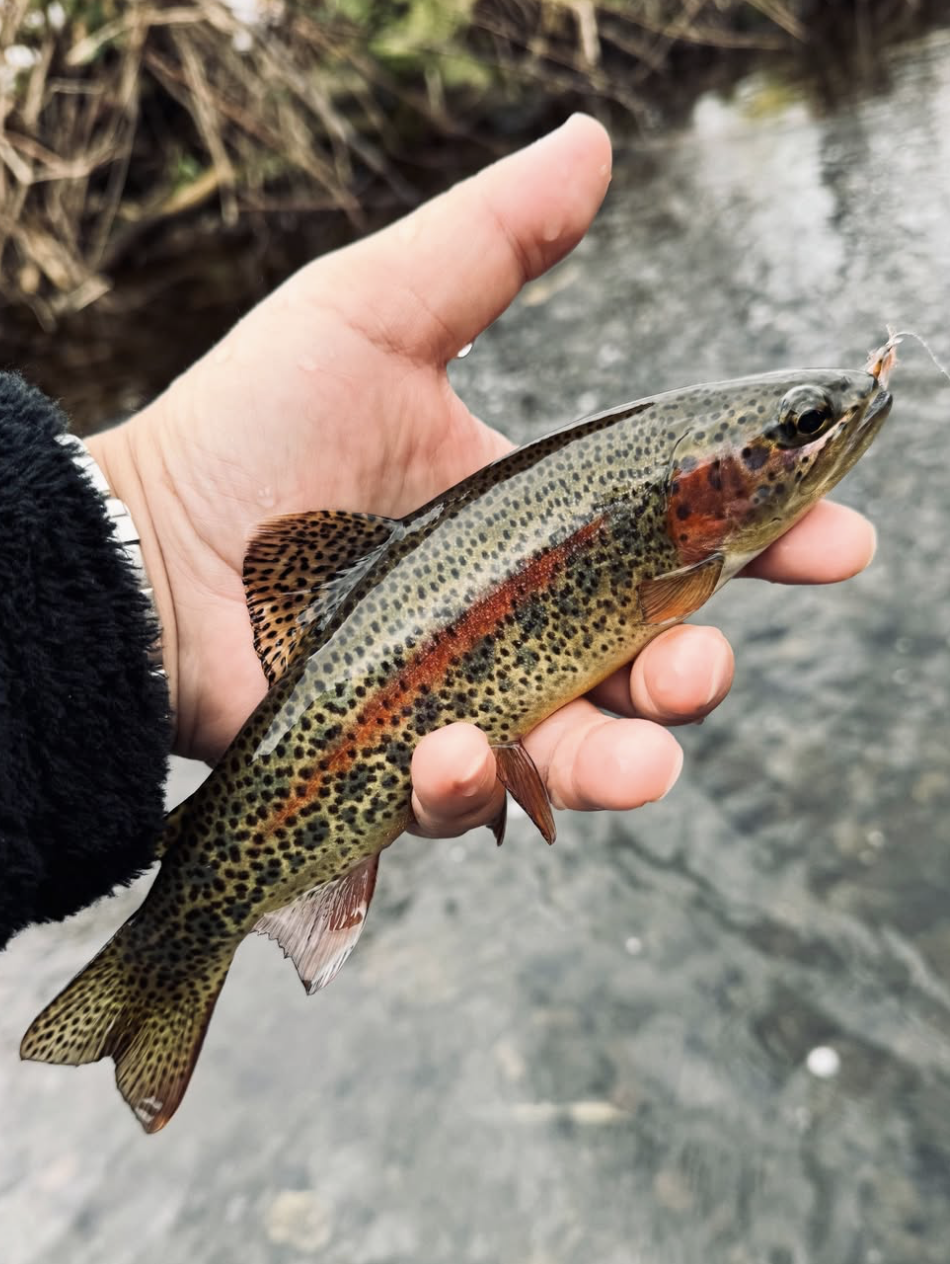
Can you share a moment when a dry fly you tied performed beyond your expectations on the water in Japan? What did that experience teach you?
Fishing small dry flies during late autumn has been especially memorable. During this time of year, trout often focus on very small insects, which makes them selective and sometimes difficult to catch. Presenting a carefully tied fly to rising fish in these conditions can be very exciting.
When a pattern performs well in these situations, it reinforces how important subtle details can be — size, silhouette, and presentation all matter. Experiences like this remind me that even simple flies can be very effective when they match the conditions. It also encourages me to continue observing insect activity closely and refining patterns that perform well during technical fishing situations.
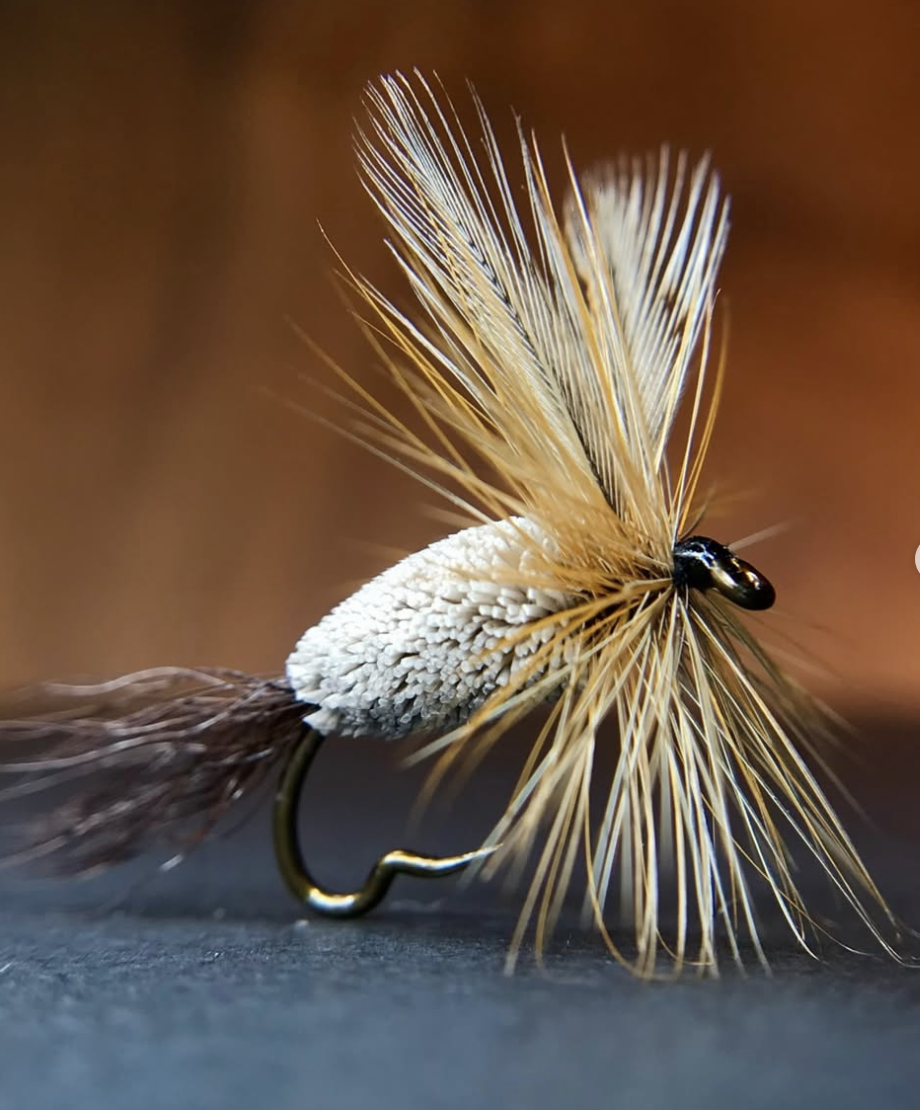
How does Japanese fly tying culture inspire your patterns, and do you see a “Japanese dry fly style” that sets your flies apart from Western designs?
Recently, I’ve found the marshmallow patterns developed by Kenjiro Shimazaki to be very interesting and innovative. These patterns demonstrate how materials can be used in creative ways to improve both visibility and floatation, while still maintaining a realistic profile.
Japanese fly tying often emphasizes precision, proportion, and subtle presentation. Many tiers focus on creating flies that perform well for selective trout in clear water conditions. While there are similarities with Western styles, I think Japanese patterns sometimes place extra importance on refinement and balance. Seeing how different tiers approach these challenges continues to inspire my own tying.
For anglers in Japan just starting with dry fly tying, what advice would you give to help them create effective patterns and connect with local waters?
I think the X Caddis is a very effective fly for beginners because it is relatively easy to tie and can be adjusted on the river if needed. The pattern has a natural silhouette and works well in many situations, which makes it a practical starting point.
By tying simple, versatile patterns, anglers can focus more on observation and presentation rather than complexity. Paying attention to the insects present on the water and making small adjustments to size or color can often make a significant difference. Starting with reliable patterns helps build confidence and allows anglers to better understand how their flies interact with real fishing conditions.
Masashi Flytying Geek represents a thoughtful segment of modern fly fishing culture — anglers who value careful observation, continuous refinement, and patterns built through time on the water rather than theory alone. His work reflects a broader Japanese tying philosophy where restraint, proportion, and function often speak louder than complexity.
As fly fishing continues to evolve globally, creators like Masashi remind us that innovation often comes from paying closer attention to the fundamentals: insects, presentation, and the subtle relationship between angler and environment. His patterns reflect an understanding that credibility in fly fishing is earned through consistency, curiosity, and time spent solving problems on the water.
Fly Life Media is proud to spotlight anglers contributing to the culture in meaningful ways. Masashi’s work is worth following for those who appreciate technical dry fly fishing, thoughtful design, and the quiet pursuit of improvement that defines serious anglers.
Follow his work on Instagram: @masashi_flytying_geek
