

Fly Fishing or Spin Fishing NZ Canals: Addicted2Trout’s Tactical Breakdown
With: addicted2trout
In the technical world of New Zealand canal fishing, success rarely comes from luck. These fish see pressure, experience changing flows, and demand thoughtful presentations from anglers willing to slow down and pay attention to detail. Addicted2Trout (@addicted2trout) has built a reputation around understanding those details — combining observation, patience, and adaptability to consistently connect with oversized canal trout.
Fishing these systems requires more than simply choosing between spin fishing or fly fishing. It requires understanding when each method offers an advantage, how trout position themselves in controlled current, and how subtle adjustments in presentation can mean the difference between refusal and commitment. Addicted2Trout approaches these challenges with a calculated mindset, using spin tactics to efficiently locate active fish while embracing the technical demands of fly fishing when precision becomes critical.
Clear, shallow canal water leaves little room for error. Trout holding in these conditions are highly aware of unnatural movement, heavy line, or poorly executed drifts. Success often comes down to careful positioning, quiet approach angles, and the ability to deliver subtle presentations that move naturally through the strike zone. Whether working small soft baits through likely holding water or presenting delicate dry flies on light tippet in low-light windows, the emphasis remains on control and intention.
Fly fishing culture has always respected anglers willing to put in the time to truly understand difficult fisheries. The pursuit of trout exceeding 20 pounds demands mental discipline as much as technical skill, particularly when fishing at night or in challenging visibility. Addicted2Trout represents a mindset shaped by time on the water — one built through trial, adjustment, and the steady refinement of tactics that only experience can provide.

When it comes to fishing NZ canals, do you find spin fishing or fly fishing more effective — and which do you find more rewarding personally when it comes to the challenge and experience?
Spin fishing the canals is usually the most productive method because it allows anglers to adapt quickly to changing conditions and cover water efficiently. Different lures and retrieve speeds can be used to target fish holding at various depths or activity levels, making it possible to find and catch fish consistently throughout the day. Spin tackle also provides more control when fighting large trout, allowing anglers to apply steady pressure and reduce the chances of losing fish in current or structure.
Fly fishing, however, is often considered the top-tier approach because it demands much greater precision and skill. Large canal trout are often cautious and selective, requiring delicate presentations with light tippet and accurate casting. Hooking and landing a big fish on such light gear is technically challenging and requires careful control throughout the fight, which makes success feel especially rewarding compared to more forgiving methods.
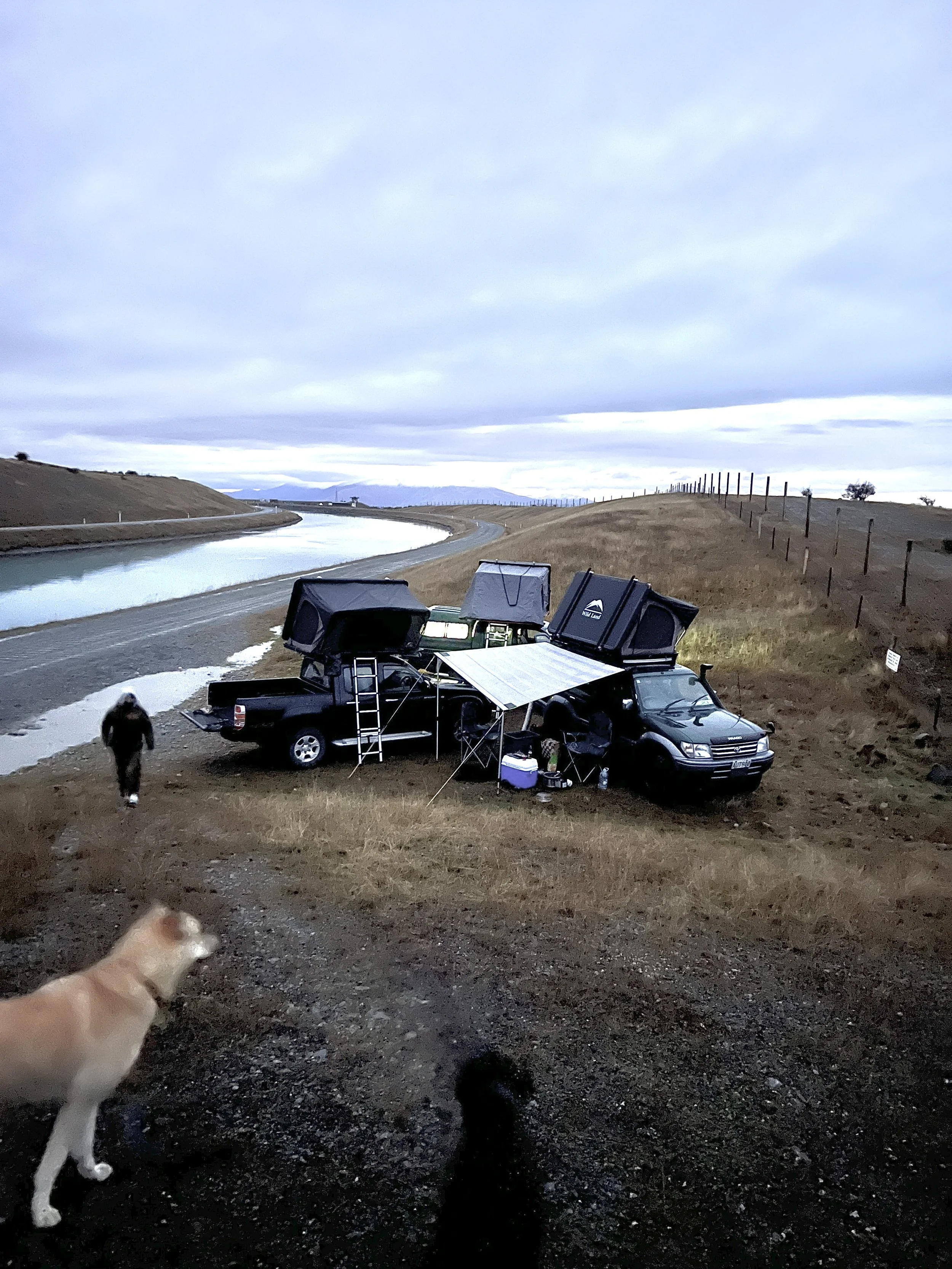
Can you describe your approach when targeting canal trout in clear, shallow water — what tactics or mental adjustments set successful days apart from frustrating ones?
In a clear, shallow run, an ambush-style approach is often most effective because trout have excellent vision and will quickly detect unnatural movement or heavy disturbance. Spin fishing with light tackle, such as small soft baits or subtle spoons, works well because these lures can be presented quietly and retrieved naturally through the fish’s strike zone. Approaching from behind reduces the chance of being seen, as trout typically face into the current, and casting beyond the fish allows the lure to move into view in a controlled, natural way that can trigger a predatory response.
Another reliable tactic is targeting edge-holding brown trout early in the morning when light levels are low and fish are more willing to feed near the surface. Presenting a small dry fly, such as a Parachute Adams, on light tippet allows for a delicate drift that closely imitates natural insects. In calm conditions, this subtle presentation can be extremely effective, as trout are less wary and more likely to rise confidently to a well-placed fly.
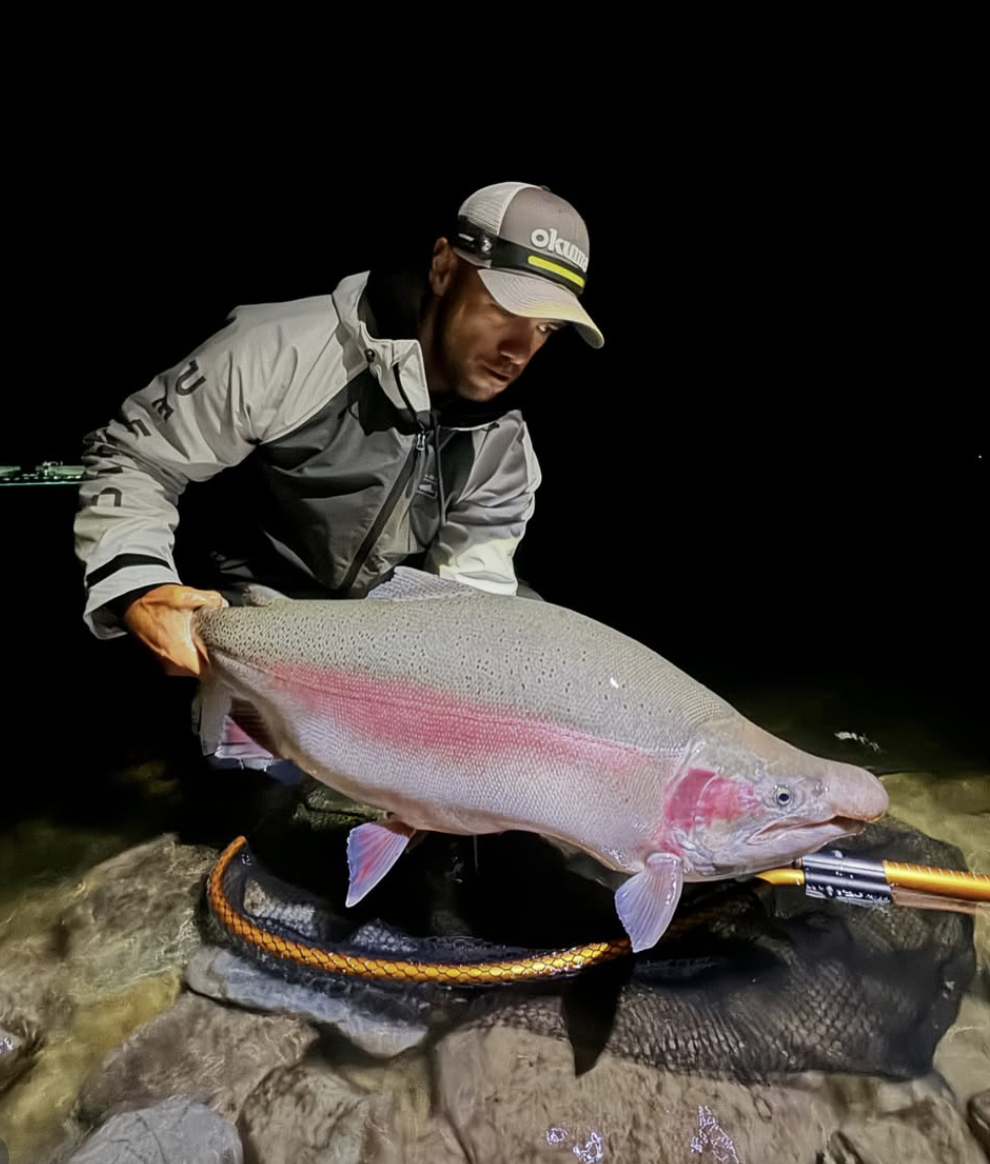
What’s the most memorable trout you’ve caught in a canal, and what made that moment stand out for you personally and as an angler?
The first time I caught a trout over 20lb was easily my most memorable moment on the water. We were fishing between midnight and 1am, when visibility was almost nonexistent, so every cast felt like a gamble. I was using a simple 6mm white egg with a small sinker — nothing flashy, just something subtle enough to present naturally in the dark — and it turned out to be exactly what the fish were willing to take.
When the bite came, we immediately knew it was something special. The fish ran hard for nearly a full minute without slowing, taking line steadily and forcing me to stay calm while the reel worked. Fortunately, it headed out toward the lake rather than into heavy current or structure, which gave me a chance to settle into the fight and focus on maintaining steady pressure. Two young locals nearby stepped in to help guide me through the process, offering advice and keeping an eye on the fish’s movements, and one of them eventually waded in up to his chin to net it safely.
When we finally put it on the scales, it came in at 22lb — an incredible result and a moment I’ll never forget. After all the anticipation, uncertainty, and effort, seeing the actual weight confirmed made the whole experience even more satisfying. I was absolutely chuffed, and it remains a milestone catch that still stands out as a highlight of my time fishing canals.
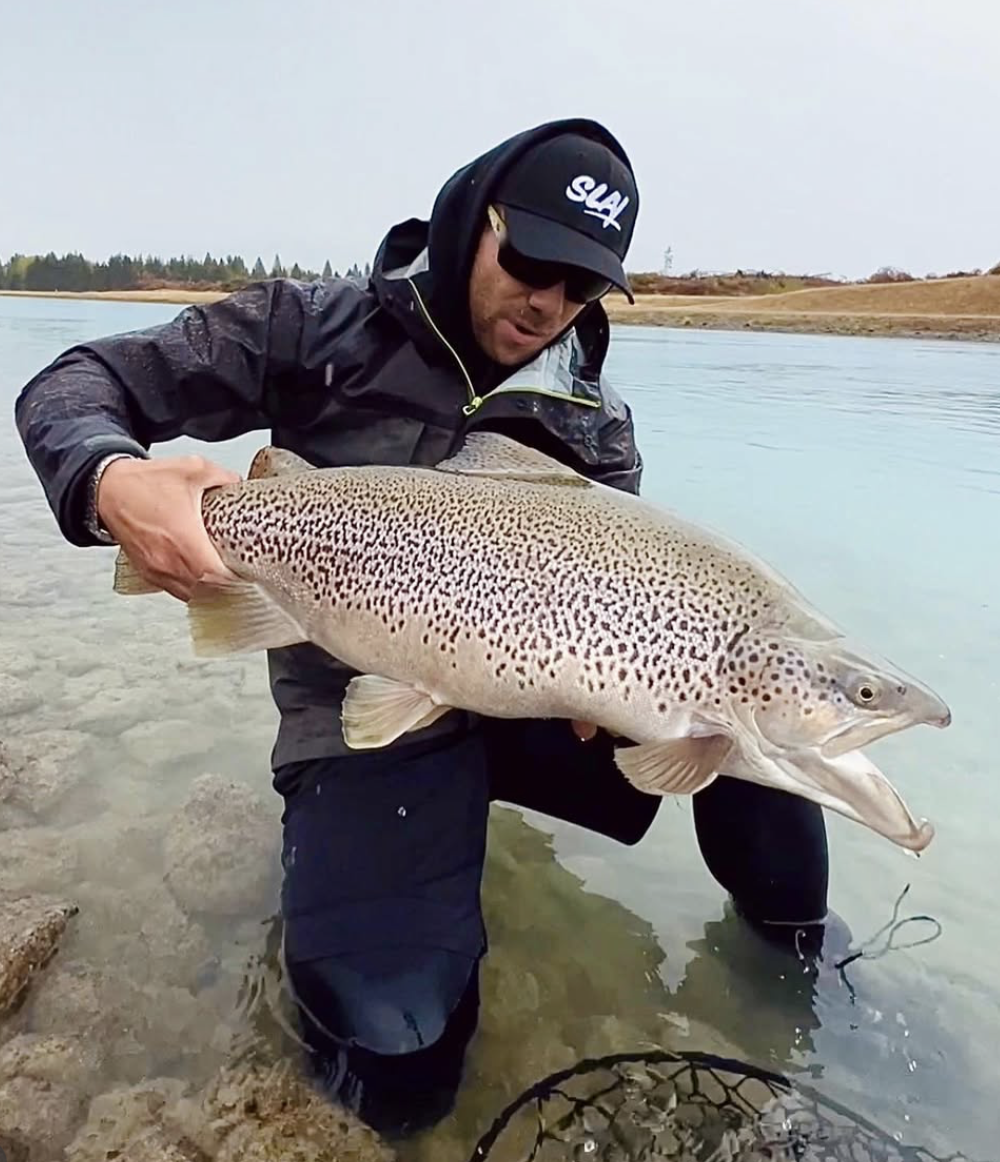
Looking back to when you first started fly fishing, what was the pivotal moment that made you commit to chasing trout in New Zealand — and how has that passion shaped the way you fish today?
There comes a point in every angler’s journey when everything begins to come together — when observation, technique, and instinct start working in harmony, and confidence in your decisions grows naturally. Reaching that stage rarely happens quickly; it often takes years of trial and error, missed opportunities, and gradual refinement. Every session on the water becomes part of the learning curve, reinforcing the idea that fly fishing is very much a numbers game, where each adjustment in positioning, presentation, or timing quietly increases the odds of success.
Over time, that accumulation of experience often leads to a desire to share knowledge with others. Teaching becomes rewarding because it helps fellow anglers accelerate their own learning process, particularly in areas like spotting fish, understanding how trout use current and structure, refining approach techniques, and mastering the relationship between sink rate, flow, and depth. Fly fishing offers a unique blend of technical challenge and natural beauty, and no matter how experienced an angler becomes, every day on the water still presents new lessons and opportunities to improve.

Anglers who consistently find success in demanding environments earn respect through process, not shortcuts. Addicted2Trout demonstrates how patience, calculated decision-making, and adaptability remain essential when targeting large canal trout in one of the world’s most technical fisheries.
From carefully working clear-water edges at first light to committing to late-night sessions where every cast carries uncertainty, the pursuit reflects a deeper connection to the craft. Sharing knowledge, refining techniques, and helping others accelerate their learning curve all contribute to strengthening the broader fly fishing community.
Fly Life Media exists to highlight anglers who represent the culture authentically — those who value skill development, time on the water, and the quiet satisfaction of solving difficult problems through experience. Addicted2Trout stands firmly in that category, reinforcing the idea that true confidence in fly fishing is earned one deliberate cast at a time.
