Fly Tying Simplicity Rooted in Real Fly Fishing
with : fliesbyaspeen
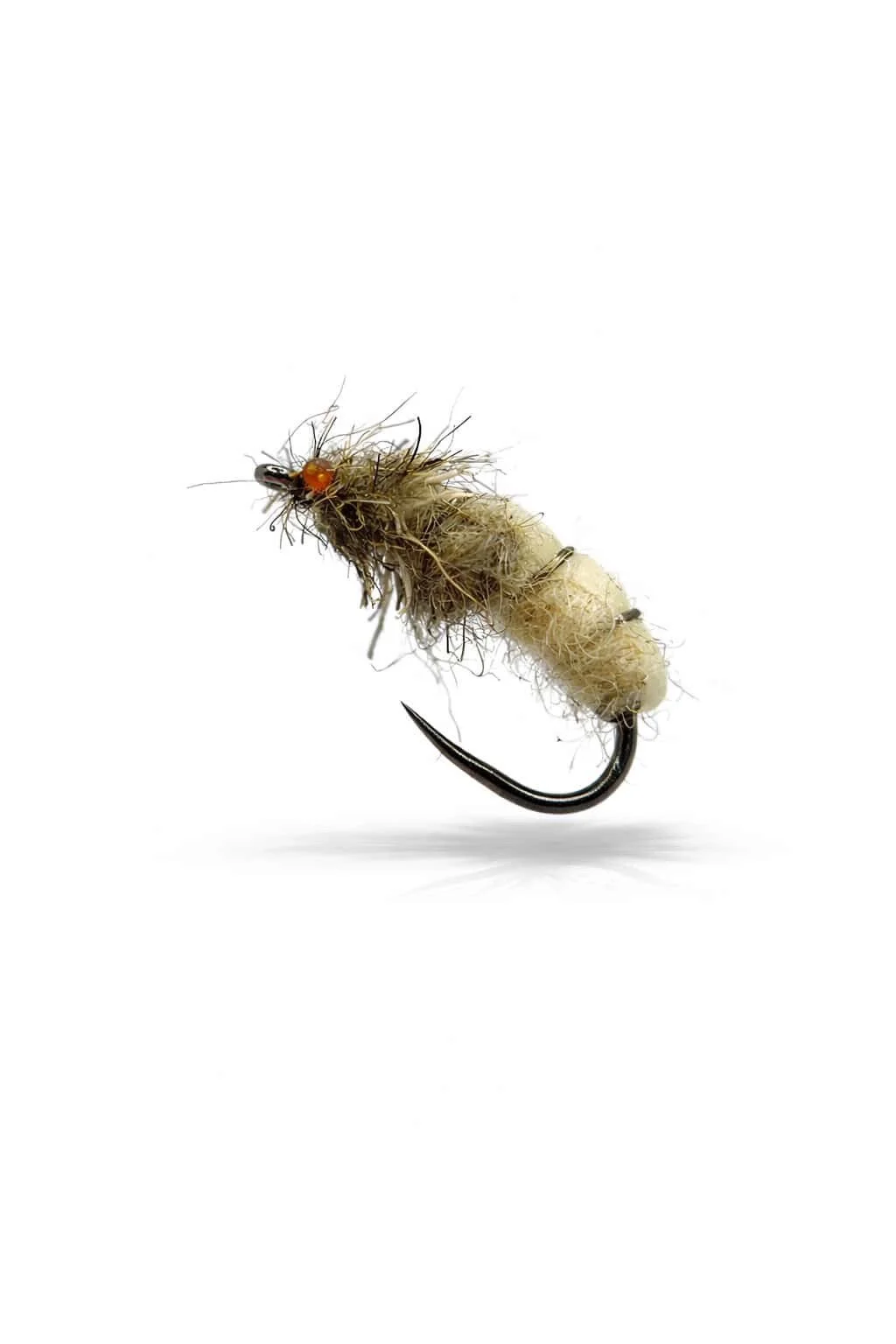
Some fly tiers chase perfection at the vise. Others chase understanding. André, known online as @fliesbyaspeen, represents the kind of fly fishing creator who values what happens beneath the surface more than what happens in front of the camera. His approach to fly tying is grounded in observation, experimentation, and a clear belief that effectiveness always outweighs complexity.
Like many anglers who become serious about the craft, André began with a simple goal — catch fish on flies tied by his own hand. Early success targeting grayling on pink and purple tungsten-bead nymphs helped shape a philosophy that continues to guide his work today: simple flies fish best. The patterns may not have been pretty, but they worked — and on the water, that’s what earns confidence.
Specializing in nymphs and dry flies, André focuses on how materials behave once they break the surface tension. Natural color blends, proportion, and subtle movement are central to his tying style. Rather than obsessing over hyper-detailed imitation, he studies how materials react in the water — often testing flies in a glass before they ever touch the river. That level of intention reflects a fly tier thinking beyond aesthetics and into performance.
Confidence plays a major role in effective fly fishing, and André understands that belief in a pattern directly affects how it’s presented. His flies earn their place in the box through function first — designed to match behavior, size, and impression rather than chase unrealistic perfection. It’s a mindset shared by experienced anglers who know fish respond to movement and profile more than microscopic detail.
As fly fishing culture continues to evolve online, creators like André bring value by sharing honest progression — learning, refining, and constantly working to crack the next challenge.
What’s the first fly you ever tied that actually fooled a fish — and what do you remember about that moment?
I remember when i started tying flies i wanted to Catch fish on flies i have made myself, and i bought a complete tying kit, and some pink tungsten beads and i knew grayling had a special taste for pink and Purple, so i made some very ugly bugs that worked out very well, and ever since my motto has Always been "Simple flies fish the best"
When you sit down at the vise, what drives your creativity most — matching natural forage, improving movement in the water, durability, or pushing your own technical limits?
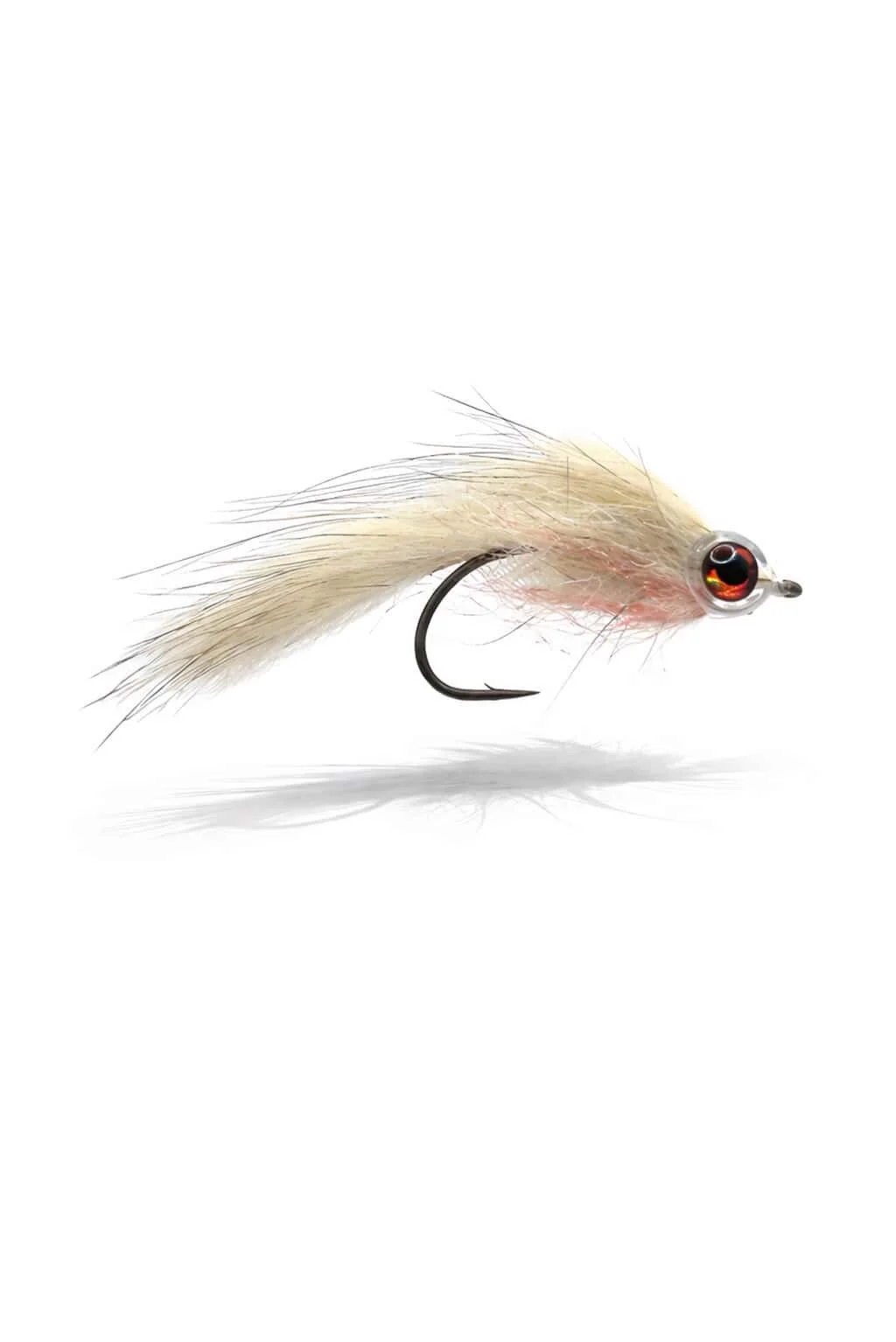
This is a great question, it totally depends on what kind of fishing i would be doing, but for the most part i make nymphs & Dry flies, i try to blend natural colors & materials together and tie them as realistic as possible when the material gets in touch with the water, every material behaves differently so the key is to understand what you are doing and why, behind the vise.
Every fly tier develops a signature style over time. How would you describe yours, and what experiences shaped it?
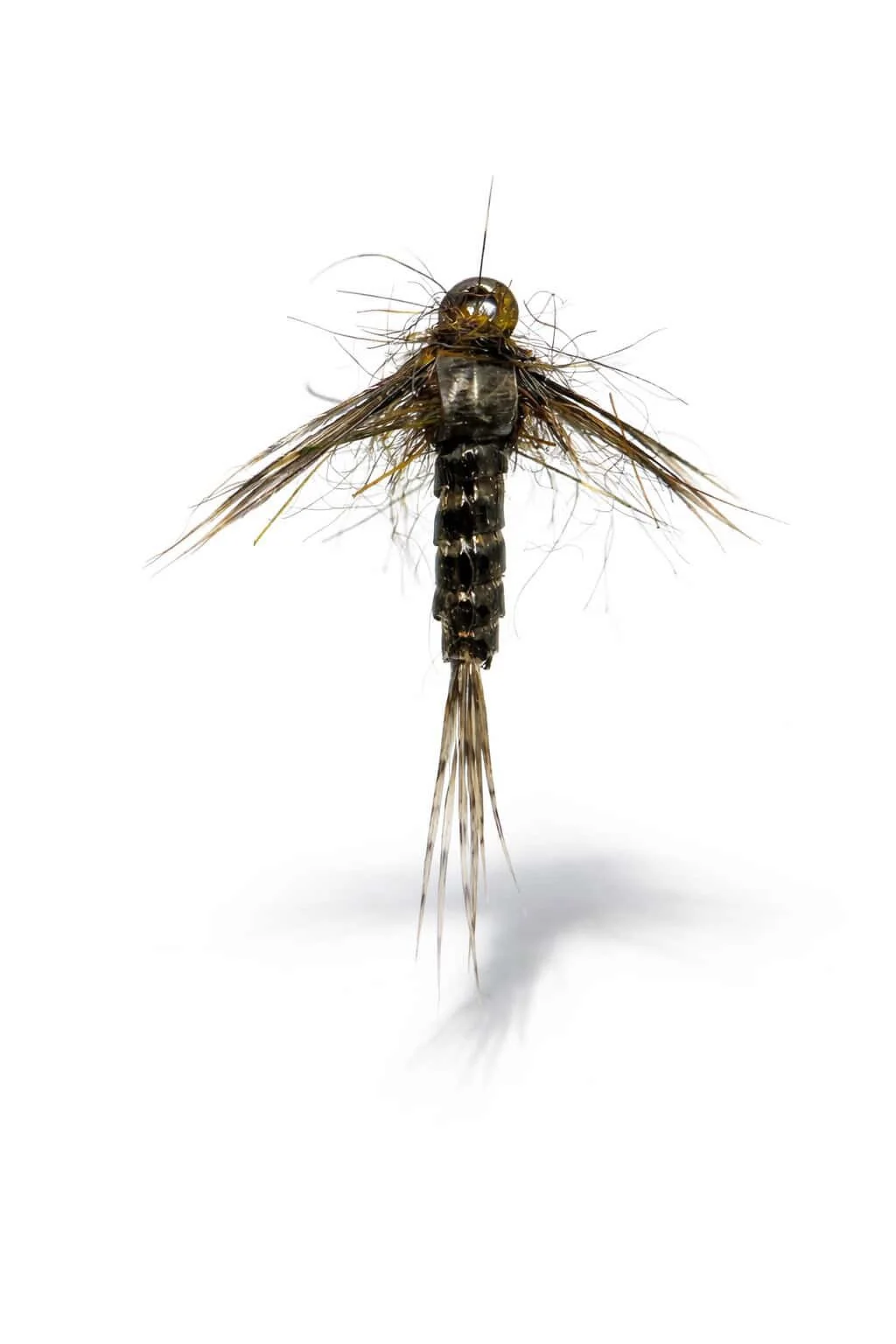
That's exactly why fly tying is such a great hobby, every person ties flies differently, i would say that my style of tying comes from the way i am thinking and how other people around me fish, i like natural colors and materials combined together to work for a specific thing, realisticly looking combined with simple tecniques. I Always check how my flies behave in a glas of water Before i test them out on the water.22

There’s a difference between tying flies that look sharp in photos and tying flies that consistently produce in tough conditions. How do you personally judge whether a pattern has earned its place in your box?
I don't Believe in that a fly needs to look exactly like a realistic insect, but more about the behaviour and size of the fly, whenever i develop a fly and give it a Place in my box, it means i know it works, when you create a fly, the most important thing is believing in what you created, even if it is a pattern you have not yet tried, you will automatically fish better if you Believe in what you have on the end of the line.
Looking ahead, what’s next for you — new patterns, new species, bigger water, or a new challenge entirely?
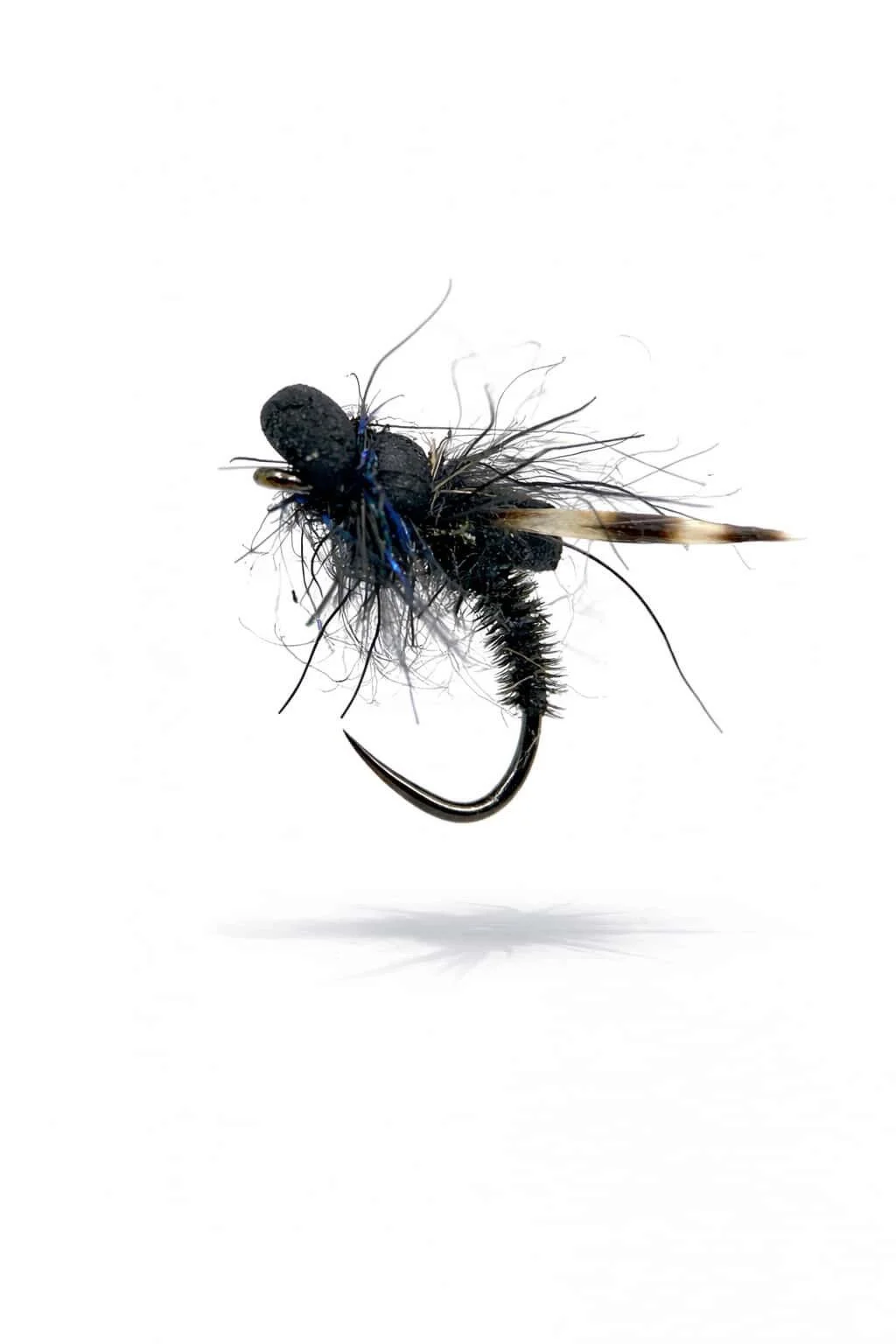
I am currently looking forward to grow my social media on Youtube and instagram, were i share my view on fly tying and fishing. I am Always on the lookout for new adventures since i love challanges, when i crack a code i am looking forward to crack a new one.
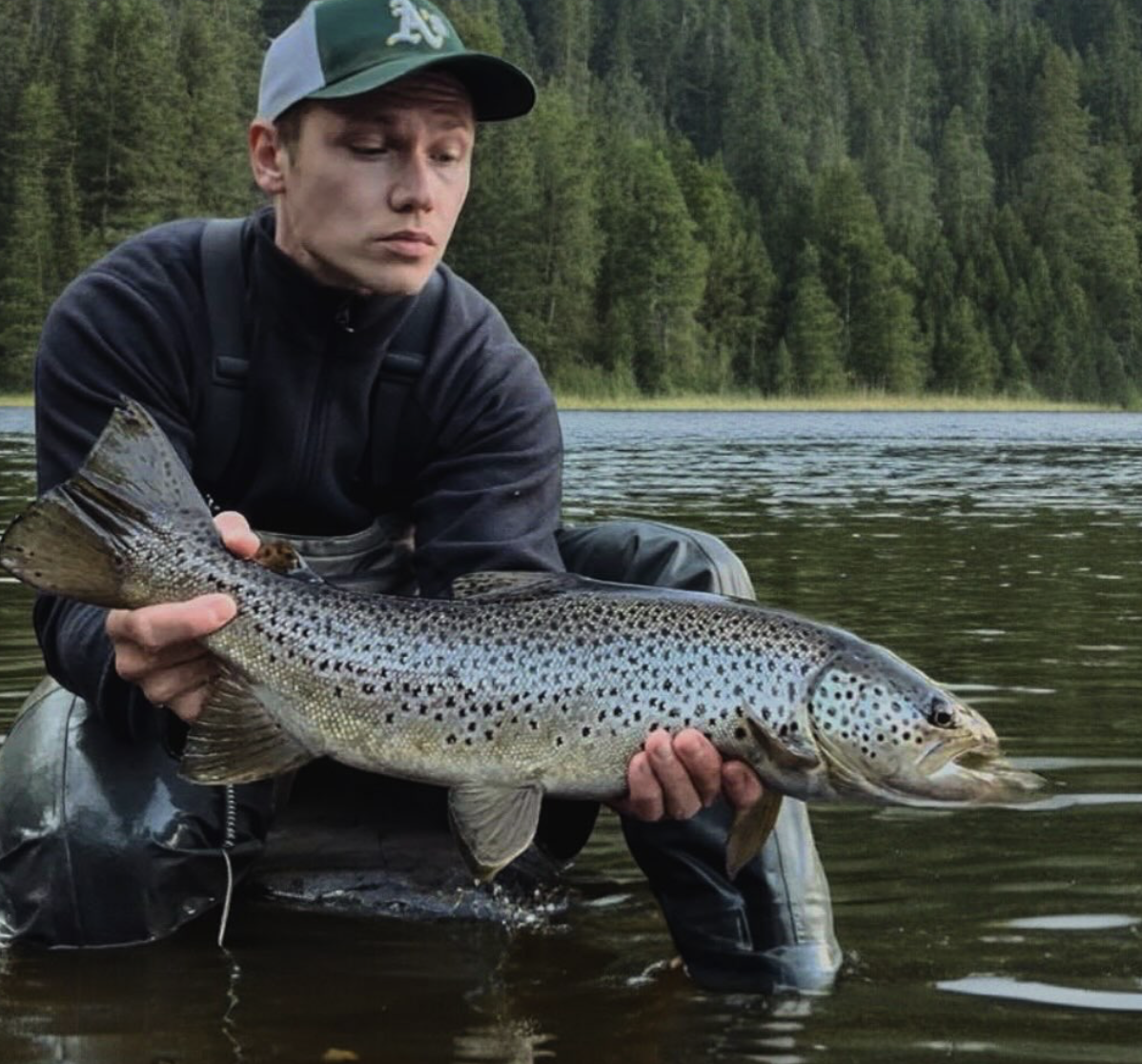
Fly tying remains one of the most personal aspects of fly fishing culture, shaped by time on the water and a willingness to experiment. André’s approach reflects a grounded understanding that successful patterns are built through observation, adjustment, and repetition — not trends.
By focusing on realistic behavior, balanced materials, and confidence-driven design, @fliesbyaspeen contributes to the side of fly fishing that values substance over appearance. His willingness to continue learning, testing, and sharing the process represents the kind of mindset that keeps the culture moving forward.
Fly Life Media exists to spotlight anglers putting in meaningful work behind the scenes — and André is a strong example of how curiosity and consistency at the vise translate directly to confidence on the water.