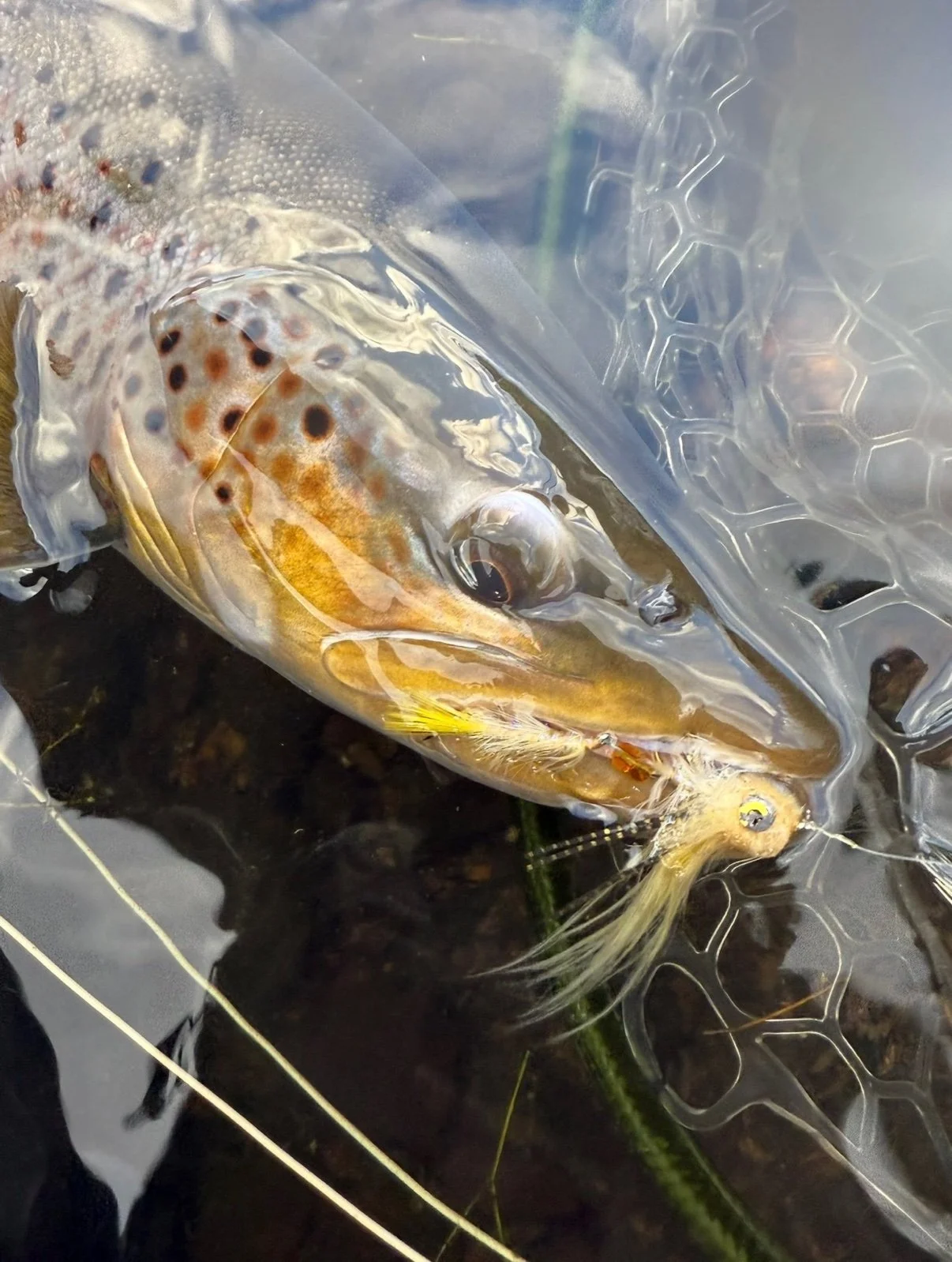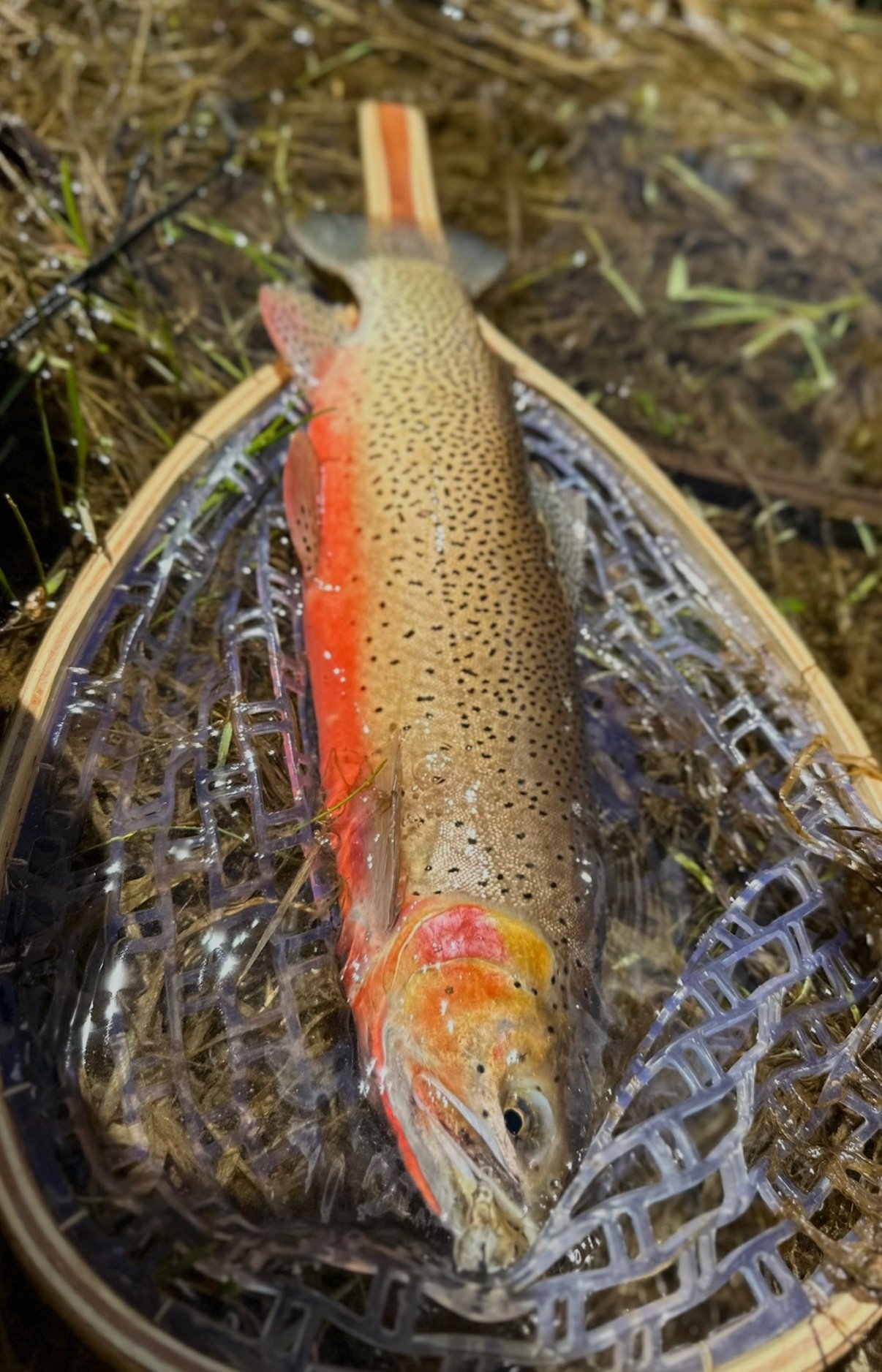
For Tanner Rubinstein, the whole pursuit started with one fish. An alpine lake he had visited a couple of times held a big cutthroat that sat under the same log, in the same spot, day after day. It took him three days to catch it — and at the time, it was the biggest trout out of the alpine he had ever seen in person.
He had caught bigger rainbows and browns before that fish. But something about a big cutthroat out of a high alpine lake pulled him in, and from that point on, trophy trout became the focus — every species on the list.
It changed how he fishes at the root. Instead of showing up to a random lake or river not knowing what lives in it, he puts in countless hours of research before he ever makes a cast. The internet is his main tool, and he is quick to say there is more information out there than most anglers would think — with one catch. Some of the best places do not exist on the internet at all. No matter how much research you do, sometimes you just have to go and find out.
What follows is his approach in his own words — the observation, the patience, the skunked days, and where the pursuit is taking him next.
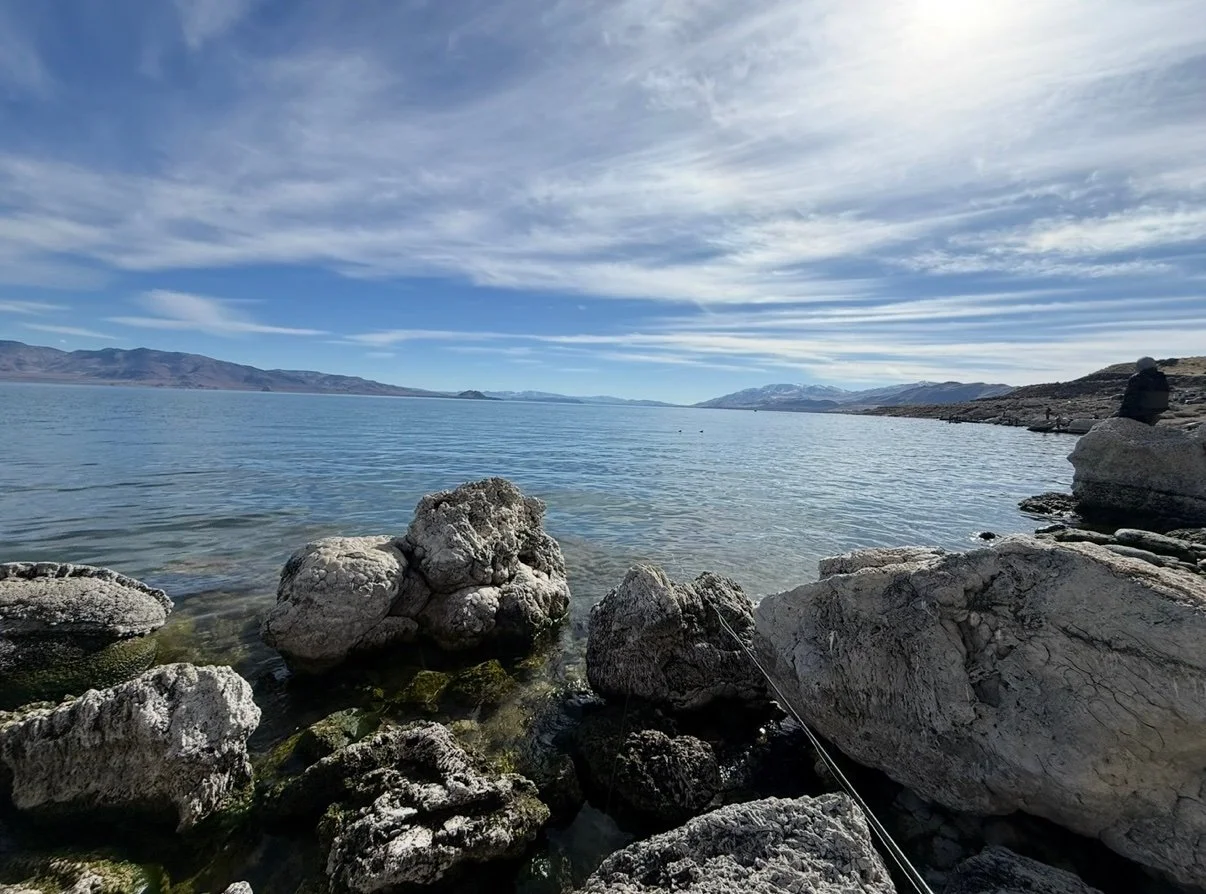
What drew you to pursuing trophy trout, and how did that focus change the way you approach fly fishing overall?
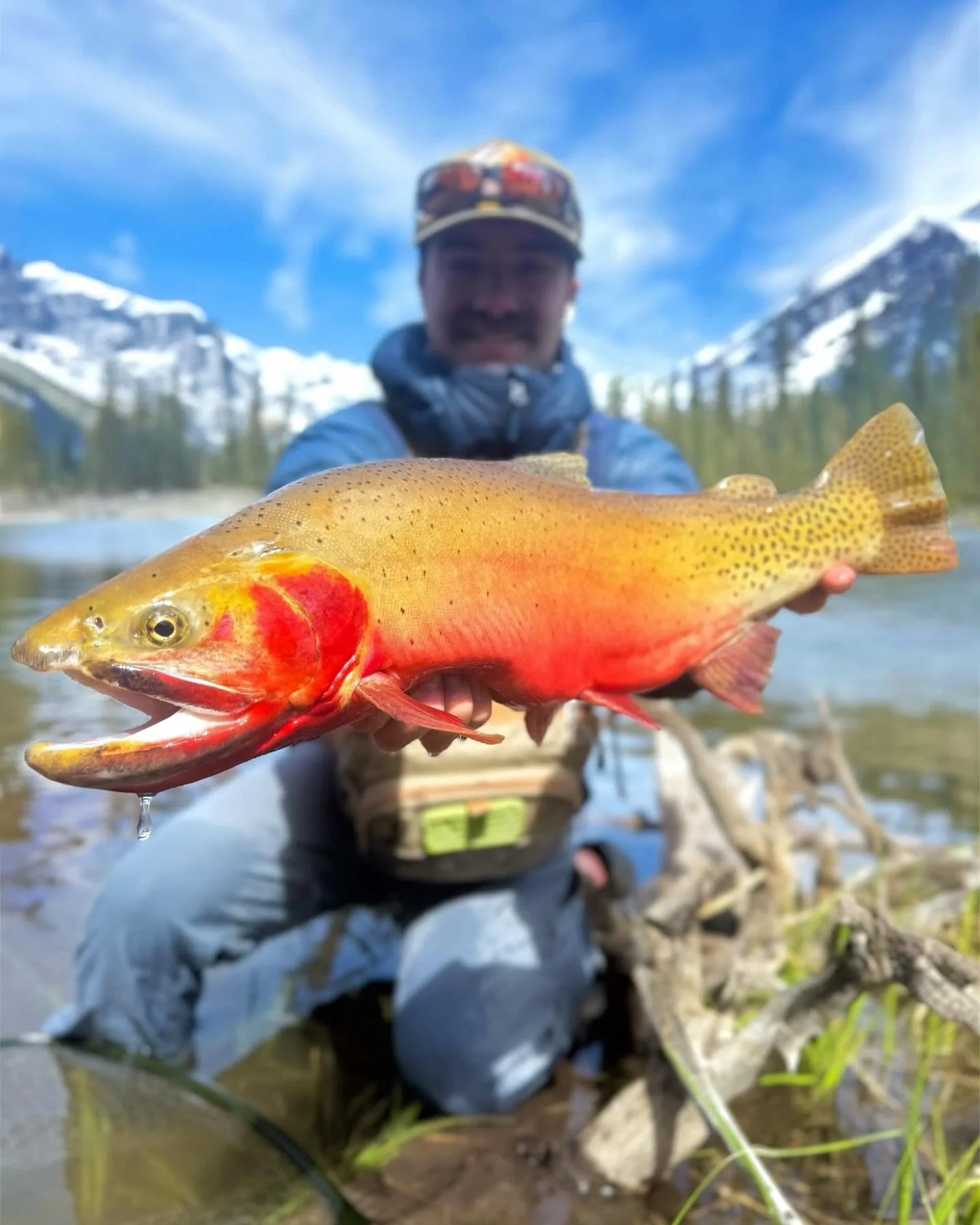
What really drew me into pursuing trophy trout was really due to a single fish. When I first started fishing alpine lakes there was one lake that I had been to a couple times that I had seen some nice fish in. Every time I would go up there I would always see a very big fish that hid under a log and was in the same spot everyday it seemed. After three days of fishing for this fish I finally caught him, which at that time was the biggest trout out of the alpine that I had seen in person. Up to that point I had caught rainbows and browns bigger than that, but something about a big Cutthroat trout out of an alpine lake really drew me into pursuing trophy trout, with all species being on my list.
What really changed in the way I approach fly fishing was how I go about pursuing these fish. Instead of going to a random lake or river without knowing what was in it, I would do countless hours of research in order to find places that I wanted to fish. I often find myself using the internet as my main tool in searching for trophy trout, there is lots of information available and with a little bit of research you can find quite a bit more than you would think. But in general I've found that some of the best places do not exist on the internet, no matter how much research you do, sometimes you just have to go and find out.
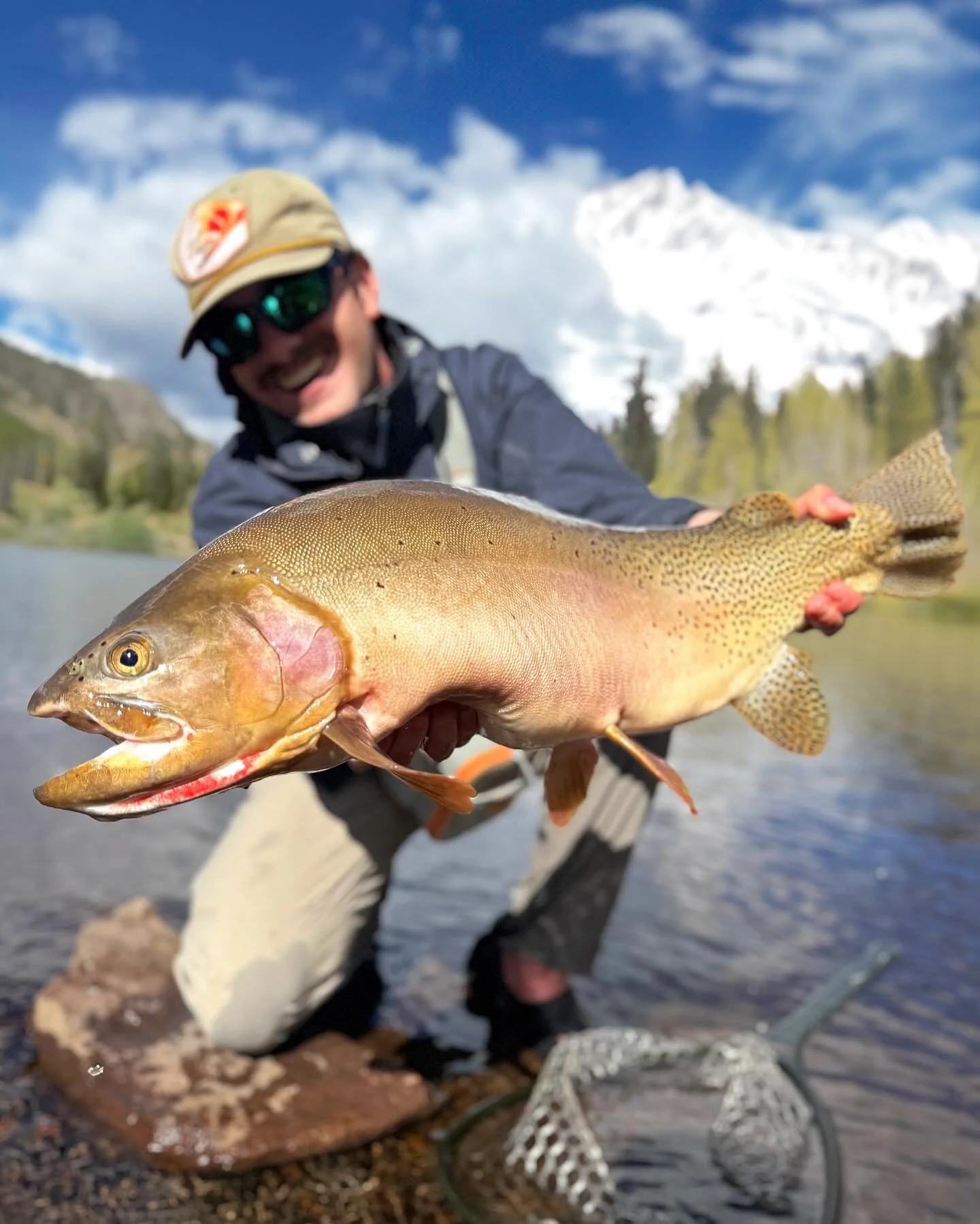
Chasing big trout requires a mix of patience, observation, and strategy. What general principles guide you when targeting these fish?
When approaching any body of water with the possibility of a big trout I like to use my observational skills first. I look at the type of water I am dealing with, whether it be a lake or a river, and try to spot areas where I think a big trout would be. Then, depending on whether you can sightfish or not I will fish in that area until I either catch a big fish or see one. Depending on the circumstance and if the fish is spooked or not I will either switch flies or wait a while for the fish to reset. If I decide to wait a few hours or days I will go back to this spot, approach the hole I found that fish in slowly and without making too much of a disturbance, and then decide what fly would best suit that situation.
What challenges have taught you the most about pursuing larger trout, and what lessons would you pass on to other anglers aiming for the same goal?
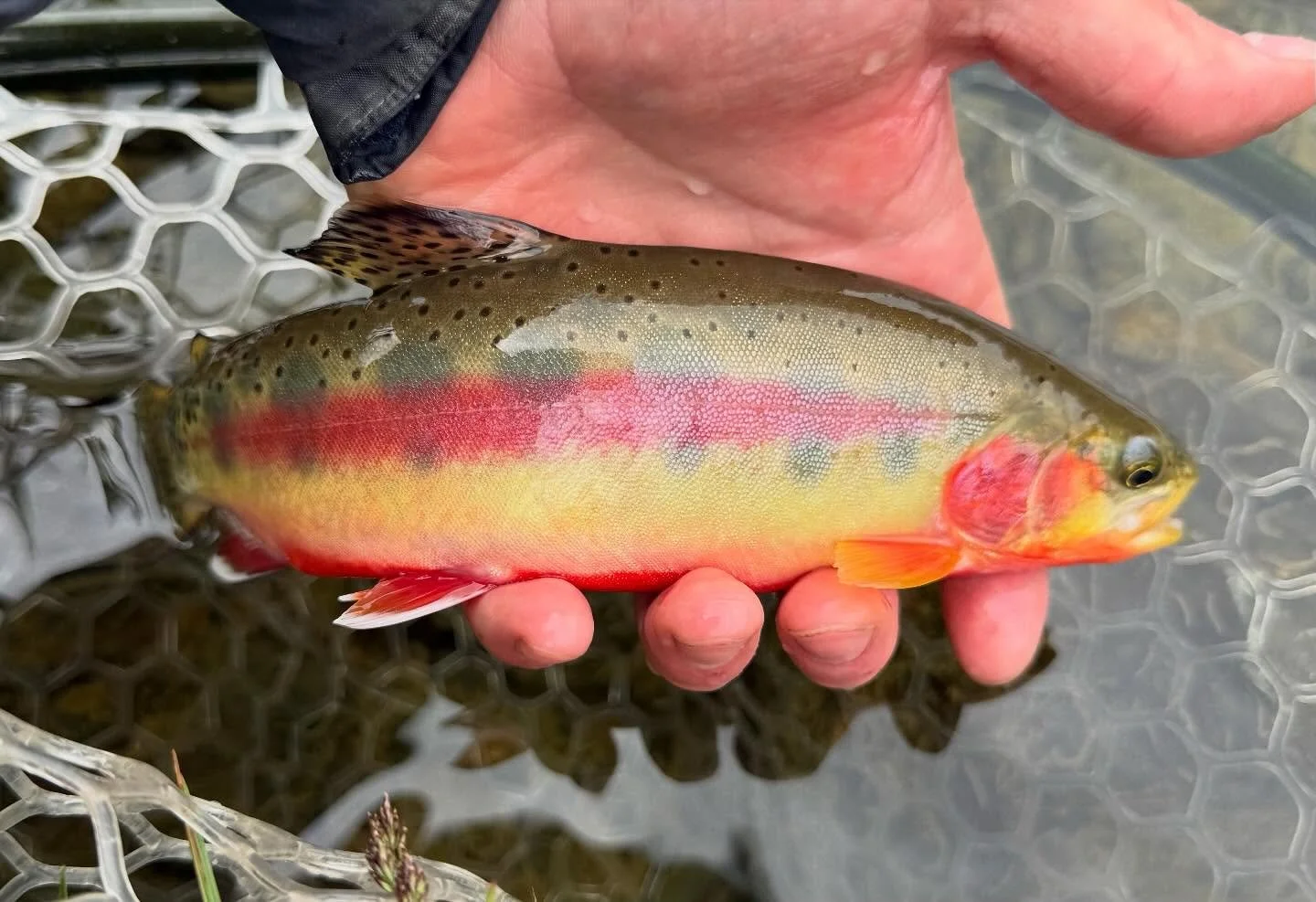
A major challenge I've had to face when going after large trout would be the disappointment you may find going to a new body of water. You can't go to a new location, even if many people catch large fish there, and expect to catch one. I have gone multiple days without catching one fish, which is normal. You just have to stay motivated and keep fishing while trying new techniques and approaches. Another challenge is remaining calm when you find/hook a big fish. If you see a big trout rising for instance, don't just throw whatever you have on in front of it's face, take the extra time to look at what it's keyed in on and cast at it with subtlety, if you don't you could easily spook it. One perfect cast is worth fifty "okay" ones. In the situation that you hook a big fish you must remain calm. I see a lot of people get extremely excited and try to horse a fish into the net, which almost always results in their line breaking or even their fly rod. Take the time to let the fish fight a little bit and net them when they're ready.
When it comes to selecting flies, presentations, or tactics, how do you balance careful planning with adaptability on the water?
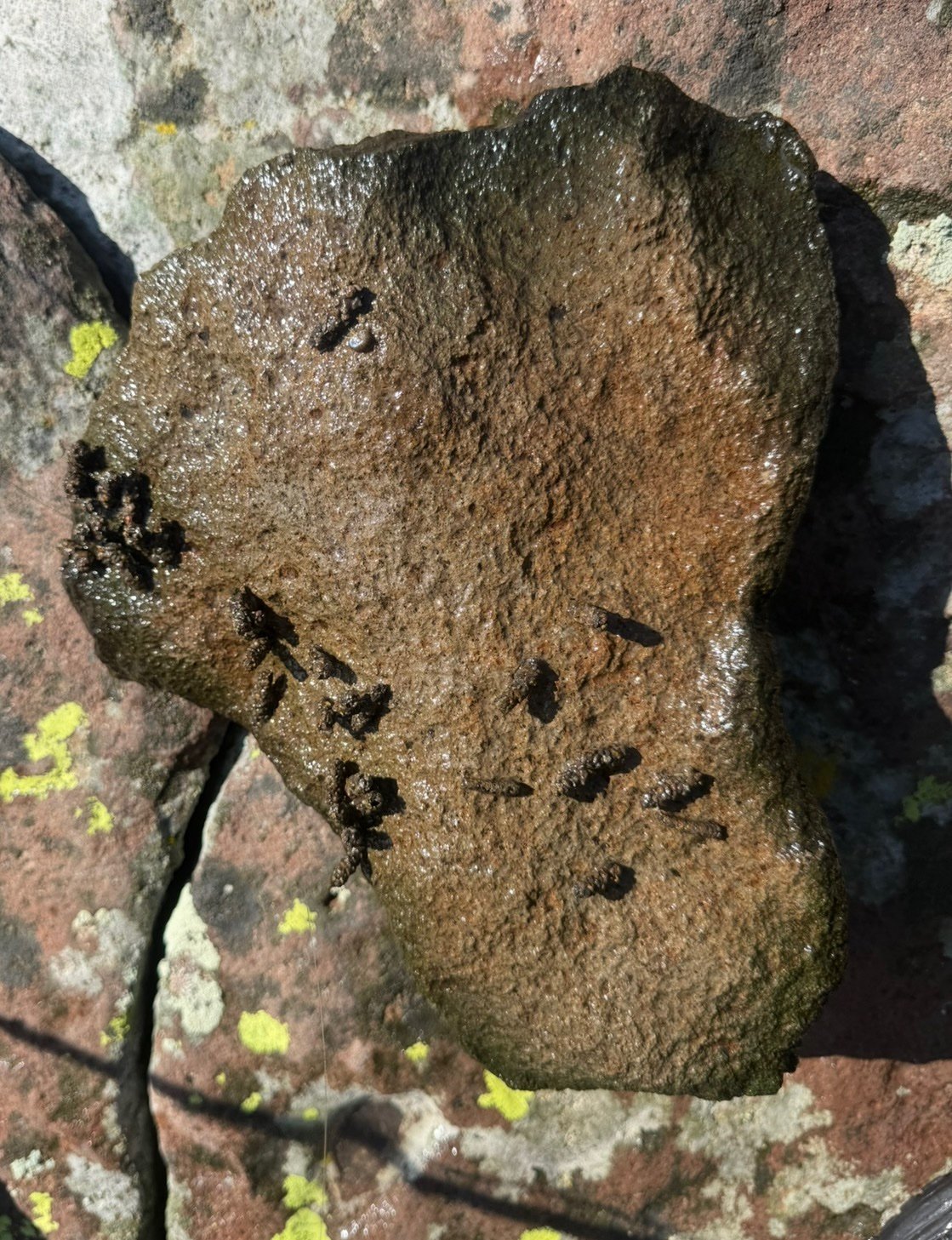
When I go fishing I always have a base plan for fly selection, based on the time of year, water temps, and recent hatches. I will stick to that plan for a decent amount of time but if that has not worked I will change it up. A method I like to use is flipping rocks and seeing what insects are actually in the river during that specific time, and then tying on a fly that represents what I saw. But sometimes it isn't always about the fly, in some cases it might be the angle you are tackling a drift with. If you can't get a drag free drift in the spot you are in, move to a different casting area, it could make a very big difference.
Looking ahead, what's next in your pursuit of trophy trout — new techniques, patterns, or approaches you're excited to explore?
In the past few months I have really gotten into streamer fishing, and with this I've been attempting to tie the streamers I like to use. I really want to get tying streamers dialed so that they look like they're professionally made. Along with this I also want to put a significant amount more time into streamer fishing in general. It is an extremely fun way to target fish, especially brown trout whose aggressive strikes are unbeatable.
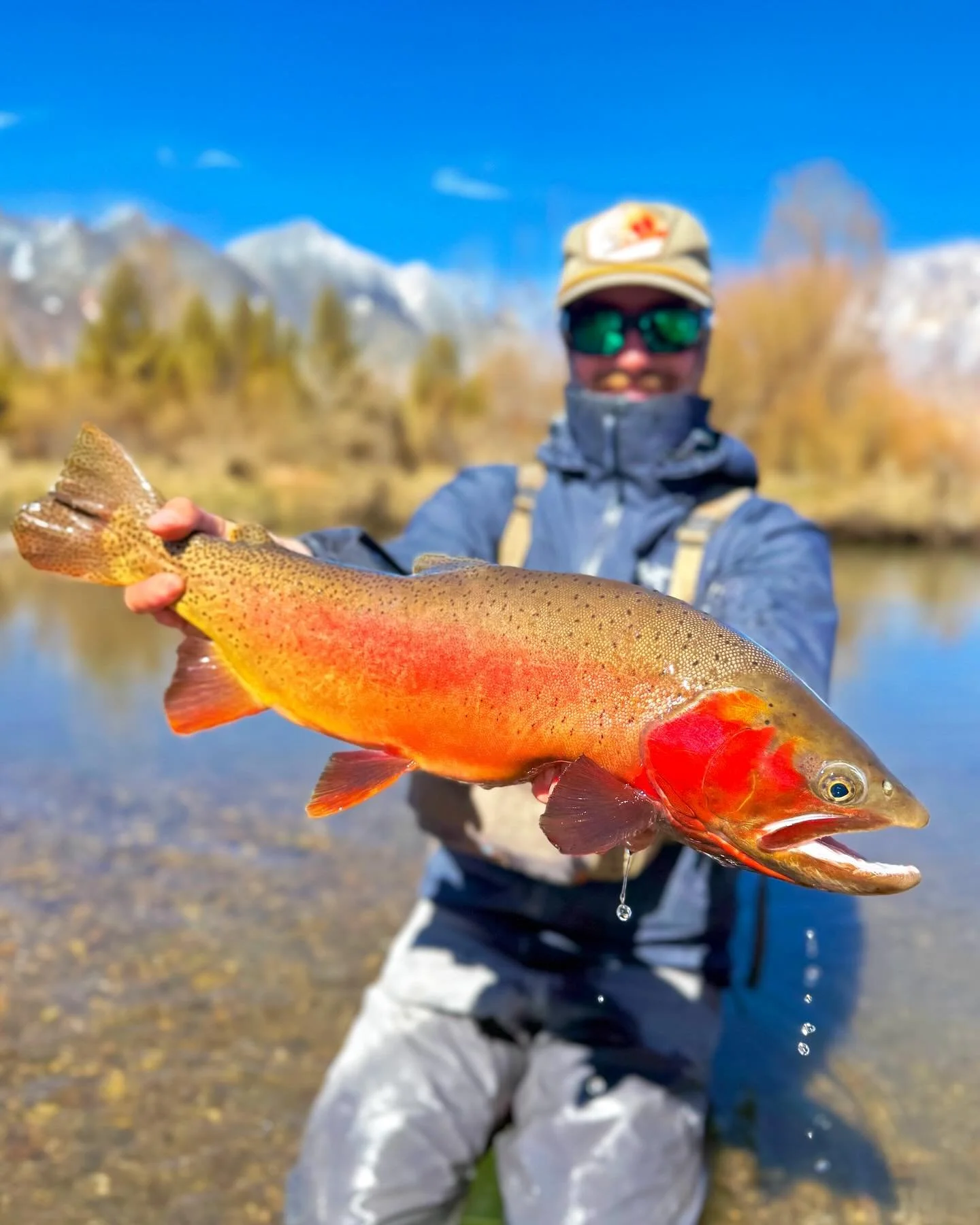
Tanner's approach is a reminder that trophy trout are rarely an accident. The fish under the log took three days. The research takes countless hours. The skunked trips to new water are part of the deal, not a sign something is wrong. What separates the anglers who consistently find big fish is not a secret fly — it is the willingness to observe first, plan carefully, and stay calm when the one chance finally shows up.
There is a line in his answers that sums the whole thing up: one perfect cast is worth fifty okay ones. That is not just casting advice. It is the philosophy behind everything he does, from flipping rocks to check what is actually in the river to moving his feet instead of forcing a bad drift.
Now he is adding streamers and his own tying to the pursuit, chasing the aggressive strikes of big browns with flies he built himself. Fly Life Media exists to highlight anglers who put in this kind of work — and Tanner Rubinstein is one worth following. Find him on Instagram at @tanner_fly_fishing.